

How Bars and Restaurant Chains in the U.S. Can Capture World Cup Traffic with LED Screens
Table of Contents
1. Market Reality: The U.S. Will See Record Viewing Demand
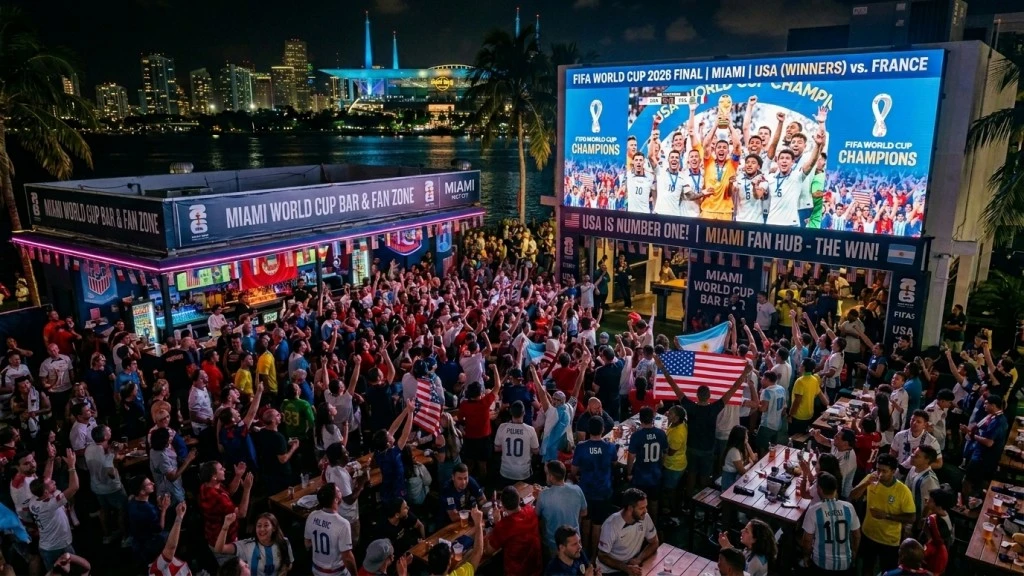
The 2026 FIFA World Cup will drive massive in-person and out-of-home viewing demand across the United States, especially in cities such as New York, Los Angeles, Miami, Dallas, and Atlanta.
Not every fan will enter a stadium.
Millions will choose bars, restaurants, and public venues to watch matches — creating a temporary surge in walk-in traffic.
The key question for operators:
Will those customers walk into your venue — or your competitor’s?
2. The 3-Second Decision: How Customers Choose Where to Watch
During major sports events, customer behavior is simple and fast:
- They walk past multiple venues
- They glance inside or at the storefront
- They decide within seconds
The deciding factor is not menu or price — it is:
Visibility + Atmosphere + Screen Experience
Venues with large, bright, clearly visible LED screens consistently outperform those relying on TVs or poor displays.
3. How LED Screens Directly Increase Revenue
A. Attract More Walk-In Traffic
A high-brightness LED screen facing the street:
- Signals “live match happening here”
- Creates visual pull from distance
- Differentiates your venue instantly
This is critical in dense areas like:
- New York (Manhattan sports bars)
- Los Angeles (entertainment districts)
- Miami (tourist-heavy nightlife zones)
B. Increase Dwell Time (Stay Longer = Spend More)
Customers who come to watch matches:
- Stay for the full game (90+ minutes)
- Order multiple rounds of drinks and food
- Often stay for pre-match and post-match
LED screens create:
- Clear visibility from all angles
- Shared viewing experience
- Stronger engagement
This directly increases:
- Average order value
- Table turnover revenue
- Total sales per customer
C. Enable Group Spending Behavior
World Cup viewing is social:
- Groups choose venues together
- Larger groups → higher bills
- Better screens → more group bookings
Venues with large LED displays become:
default group destinations
4. Where LED Screens Work Best (U.S. Scenarios)
| Location Type | Strategy | Revenue Impact |
|---|---|---|
| Street-facing windows | Install high-brightness LED screens | Attract walk-in traffic |
| Indoor main viewing area | Large central LED display | Increase dwell time & spending |
| Outdoor patios | Weatherproof LED screens | Expand seating & capacity |
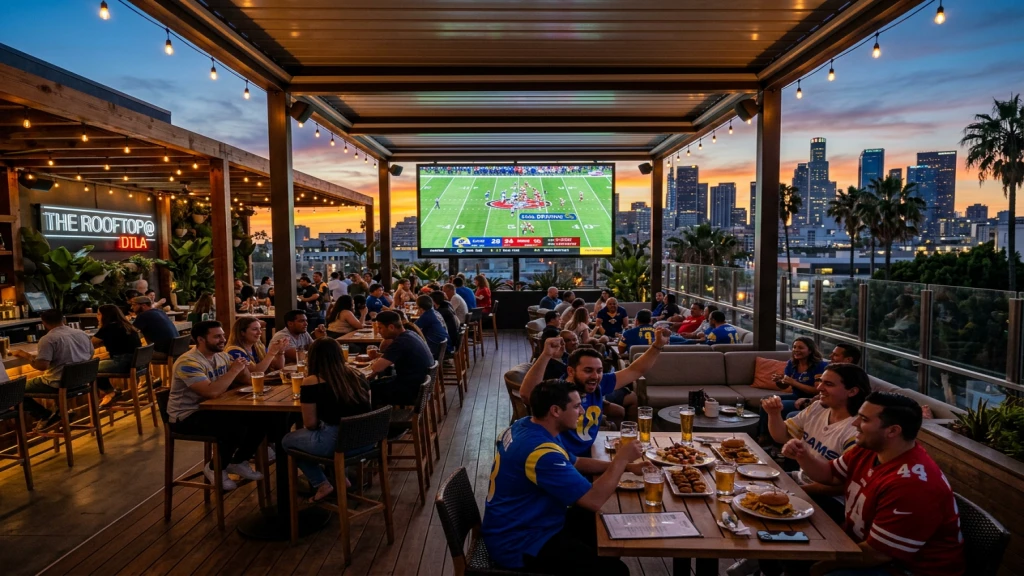
| Rooftop bars | High-visibility displays | Premium pricing opportunity |
5. Why TVs Are No Longer Enough
Many venues rely on standard TVs, but during high-demand events:
- Limited brightness (poor daylight visibility)
- Small screen size reduces impact
- Inconsistent viewing angles
Result:
Customers walk past — and choose venues with better screens.
6. Execution Strategy: What Winning Venues Do
Step 1: Install Visible LED Screens Before the Tournament
- Window-facing displays
- Street-level visibility
- Bright enough for daylight
Step 2: Upgrade Indoor Viewing Experience
- Large-format LED screens
- Central placement
- Multiple viewing angles
Step 3: Expand Capacity with Outdoor Screens
- Patio / terrace viewing zones
- Weatherproof LED solutions
- Increase total revenue per hour
Step 4: Promote “Live Match Experience”
- Use screens as marketing tools
- Highlight matches visibly
- Create event atmosphere
7. The Real Opportunity: Turning Traffic into Revenue
The World Cup creates:
- High foot traffic
- High emotional engagement
- High willingness to spend
But only venues with strong visual presence will convert that traffic.
LED screens are not a cost.
They are a customer acquisition tool + revenue multiplier.
Conclusion
The 2026 World Cup will reshape customer flow across bars and restaurant chains in major U.S. cities. Visibility, atmosphere, and viewing experience will determine which venues capture the surge in demand.
Establishments that invest in high-brightness LED screens — both street-facing and indoor — will attract more walk-in traffic, increase dwell time, and significantly boost per-customer spending during the tournament period.
Among global suppliers, MPLED provides high-performance LED solutions widely used in events, sports viewing, and commercial display environments worldwide. With proven applications across international markets and strong expertise in large-scale deployments, MPLED ensures reliable performance where visibility and uptime directly impact revenue.
With warehouses and service hubs in the United States and globally, MPLED enables fast delivery, flexible configurations, and local support — helping bars and restaurant operators prepare quickly and fully capitalise on the World Cup opportunity.
FAQ
Q1: What size LED screen is best for a bar or restaurant?
A1: For small to mid-sized venues, screens starting from 2 × 3 meters or larger are typically recommended, while larger venues or outdoor spaces may require full LED walls for maximum visibility.
Q2: Are LED screens better than TVs for sports viewing in bars?
A2: Yes. LED screens offer significantly higher brightness, better viewing angles, and scalable sizes, making them more effective for attracting customers and creating an immersive viewing experience.
Q3: How much can a bar increase revenue during the World Cup?
A3: While results vary, venues with strong viewing setups typically see higher foot traffic, longer customer stays, and increased spending per table, especially during key matches.
Q4: Can LED screens be used outdoors for restaurant seating areas?
A4: Yes. Outdoor LED screens with proper weatherproof ratings (IP65 or higher) are designed for patios, terraces, and open-air venues, allowing operators to expand seating capacity.
Q5: How quickly can LED screens be installed before an event?
A5: With the right supplier, installation can be completed within weeks depending on project scale, ensuring readiness before high-demand events like the World Cup.
Trending Articles
- Where to Buy High-Quality LED Display Products: Factory, Distributor, or Integrator?
- What is 4K resolution? Ultra HD Guide for LED Displays
- Differences and Applications of P4, P6, P8, P9, P10 Outdoor LED Displays
- Why P3.91 LED Displays Are the Hottest Products for Sports Events
- Best LED Screen Sizes for Small Outdoor Public Viewing Events
