

Why Event and Rental Companies in the U.S. Must Prepare LED Screens for the 2026 World Cup
Table of Contents
LED Screen Rental for World Cup 2026 USA | Event & Rental Business Opportunity
Discover how event and rental companies in the U.S. can maximise revenue during the 2026 World Cup. Learn from past World Cup data and why LED screen rental demand will surge.
Introduction: A Rare High-Profit Window for Rental Companies
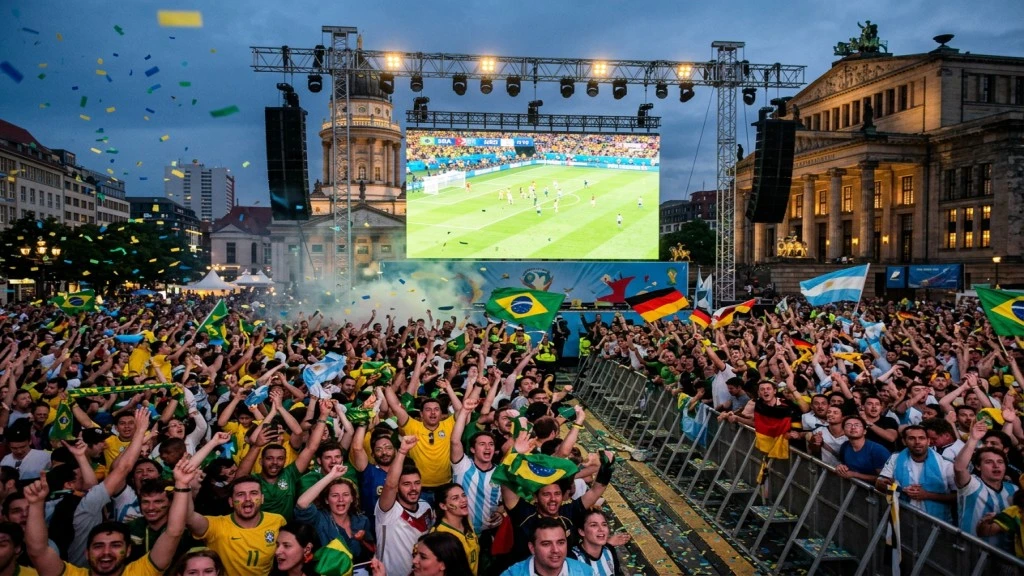
The 2026 FIFA World Cup will create one of the largest short-term spikes in demand for event infrastructure in the United States. For event and rental companies, this is not just another busy season — it is a high-margin, high-utilisation revenue window.
Unlike standard projects, World Cup demand is:
- Time-concentrated (4–6 weeks)
- Multi-location (across major U.S. cities)
- High urgency (clients prioritise availability over price)
The result:
Rental companies with available LED screens can significantly increase revenue within a short period.
1. Proven Demand: What Previous World Cups Tell Us
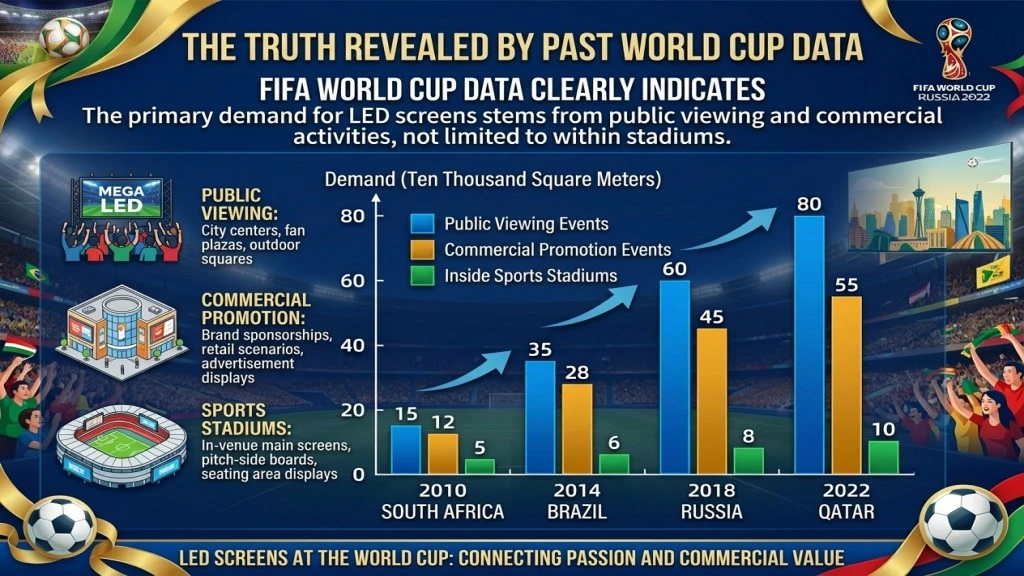
Historical FIFA World Cup data clearly shows that LED screen demand is driven by large-scale public viewing and commercial events, not just stadiums.
World Cup Demand Comparison
| Tournament | Host Country | Fan Zone Attendance | Key Rental Demand |
|---|---|---|---|
| 2014 | Brazil | 5+ million | Beach screenings, city events, outdoor activations |
| 2018 | Russia | 11+ million | Large Fan Fest screens, public viewing zones |
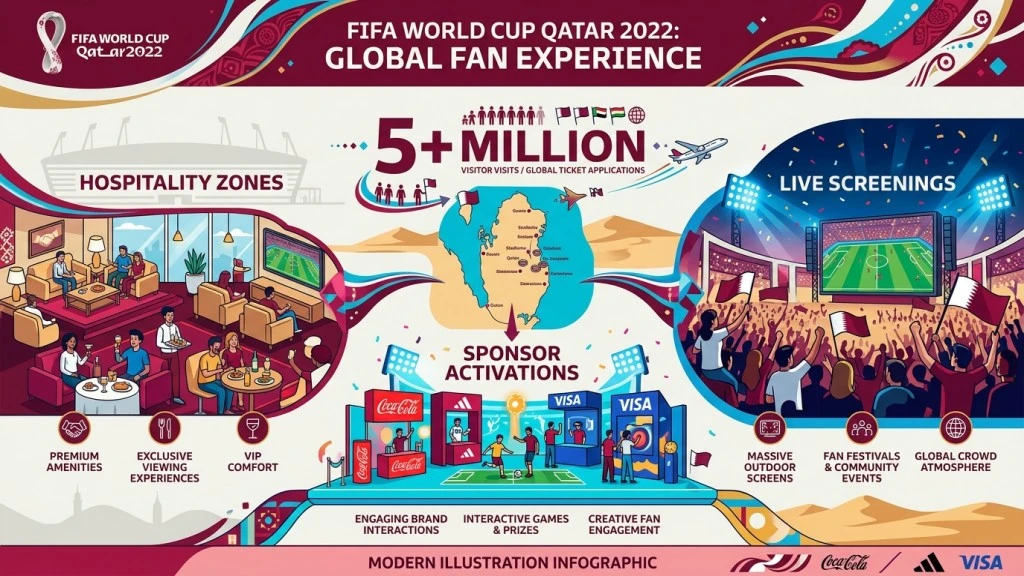
| 2022 | Qatar | 5+ million | Hospitality zones, sponsor activations, live screenings |
Key Insight for Rental Companies
- The majority of audiences watch matches outside stadiums
- Public viewing events require temporary LED installations
- Demand is short-term but extremely high volume
This is exactly where rental companies generate revenue.
2. How Rental Companies Make Money During the World Cup
A. High Utilisation Rate (Near Full Deployment)
- Normal year: 50–70% equipment utilisation
- World Cup period: 90–100% utilisation
Almost every screen is in use → maximum revenue efficiency
B. Premium Pricing Power
During peak demand:
- Clients prioritise availability
- Urgent projects increase pricing flexibility
Rental rates typically increase:
- +20% to +50% (industry range)
C. Multiple Projects at the Same Time
Demand comes from multiple sources:
- Fan zones
- Bars and restaurants
- Shopping centres
- Brand activations
- Outdoor events
Rental companies can:
- Run multiple projects simultaneously
- Increase total contract volume
D. Faster Return on Investment
LED rental equipment typically requires:
- 2–3 years for full ROI
During a World Cup cycle:
High utilisation + premium pricing =
Significantly accelerated payback period
3. Why the U.S. Market Will Be Even Bigger in 2026
The United States presents a unique scale advantage:
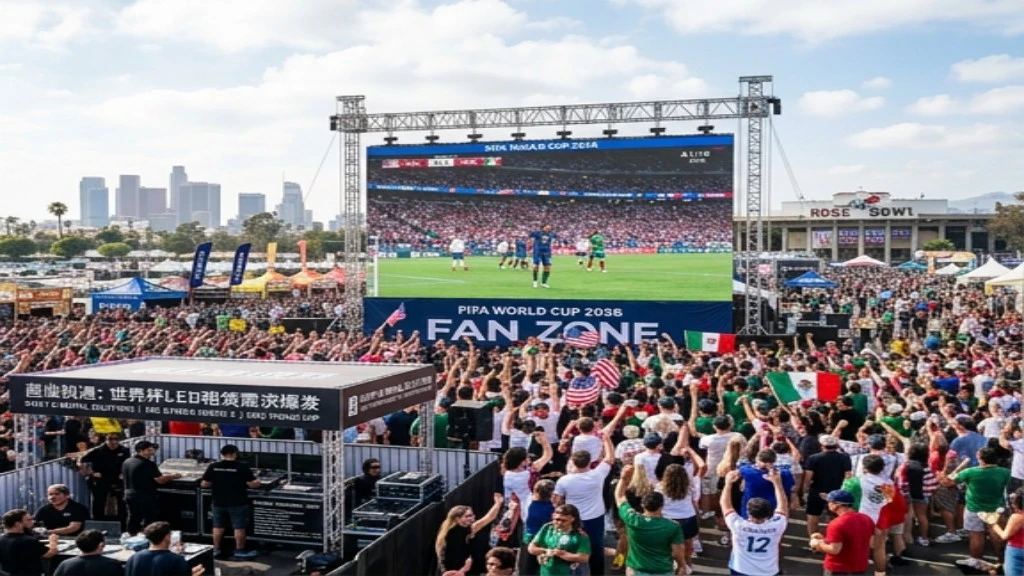
- Multiple host cities (New York, Los Angeles, Dallas, Miami, Atlanta)
- Strong commercial event ecosystem
- High consumer spending on sports and entertainment
Compared to previous World Cups:
- More cities → more simultaneous demand
- More brands → more activations
- More venues → more rental projects
4. Where Rental Demand Will Come From
Primary Revenue Sources
- Fan Zones & Public Viewing Events
Large-scale LED installations funded by cities and sponsors - Commercial Viewing Venues
Bars, restaurants, and outdoor spaces - Brand Activations
Temporary LED setups for marketing campaigns - Private & Pop-Up Events
Fast-turnover rental opportunities
5. The Biggest Limitation: Equipment Availability
From past World Cups, the most common issue is:
Demand exceeds supply
Rental companies lose revenue because:
- Equipment is fully booked
- Inventory is insufficient
- Delivery cannot keep up with demand
6. What Successful Rental Companies Do Before the World Cup
To maximise revenue, leading companies:
- Expand LED inventory 6–12 months in advance
- Use modular, fast-installation systems
- Prioritise reliable, high-performance screens
- Work with suppliers capable of fast delivery and support
Conclusion
Historical World Cup data demonstrates that the largest demand for LED screens comes from public viewing events, fan zones, and commercial activations rather than stadiums. Each tournament creates a short-term but intense surge in rental demand, where utilisation rates increase, pricing becomes more flexible, and the number of concurrent projects rises significantly.
For the 2026 World Cup in the United States, this effect will be amplified by the scale of the market, the number of host cities, and the maturity of the event industry. Rental companies that prepare early with sufficient inventory and reliable LED systems will be positioned to secure more contracts, maximise equipment utilisation, and accelerate return on investment.
Among global providers, MPLED has gained strong recognition for its stage rental LED screens and digital advertising displays, widely used in concerts, events, and DOOH networks. Its high-performance solutions have also been applied in film production and automotive commercial projects in Japan, South Korea, and Germany, demonstrating consistent reliability and professional display quality.
To support global clients, MPLED operates warehouses and service hubs in Japan, Canada, the United States, Italy, Poland, Spain, and Germany, enabling fast delivery, localised support, and efficient deployment for large-scale event opportunities such as the World Cup.
FAQ
Q1: How profitable is LED screen rental during the World Cup?
A1: Rental demand increases significantly due to multiple simultaneous events. Higher utilisation and premium pricing during peak periods can substantially improve revenue and shorten ROI cycles.
Q2: What type of LED screens are best for event rental companies?
A2: Modular, lightweight LED panels with fast installation systems and high brightness are ideal, as they allow quick deployment across different event types.
Q3: When should rental companies prepare for the World Cup?
A3: Ideally 6–12 months in advance to ensure sufficient inventory and avoid supply shortages during peak demand.
Q4: Where does most rental demand come from during the World Cup?
A4: Fan zones, commercial venues, brand activations, and public viewing events generate the highest demand for temporary LED installations.
Q5: Why is equipment availability more important than price?
A5: During peak demand periods, clients prioritise immediate availability and reliable performance, making equipment supply the key factor in securing contracts.
Trending Articles
