






LED frente a LCD: cual es mejor?(2026)
Tabla de contenido
En proyectos profesionales, “LED vs LCD” no es una comparación de tecnologías.
es un decisión a nivel de sistema.
La verdadera distinción es esta.:
- LCD es un sistema de producto terminado
- LED es un sistema de visualización modular
Esta diferencia determina si su proyecto puede escalar, adaptar, y operar eficientemente a lo largo del tiempo.
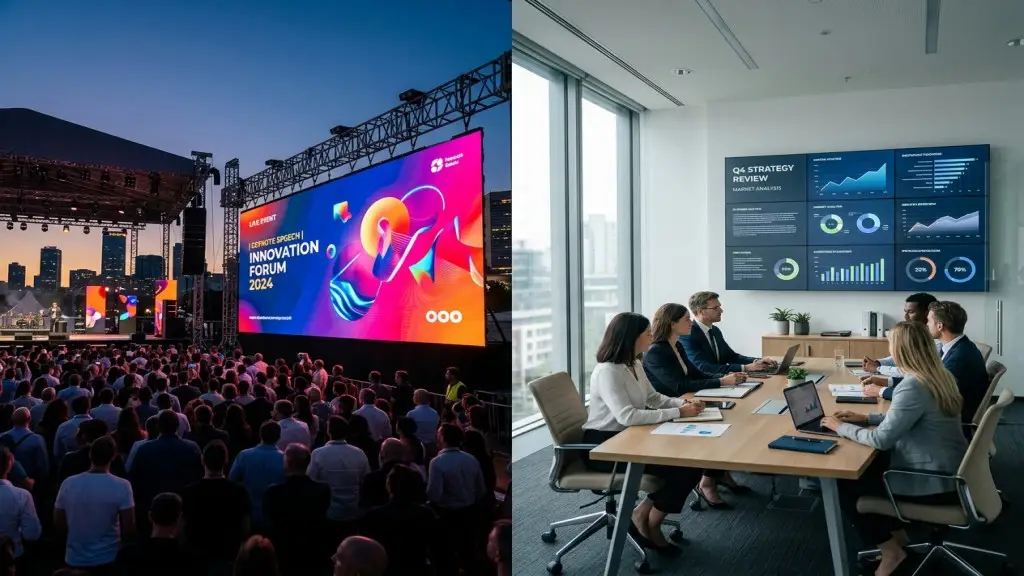
Diferencias críticas que realmente impactan los proyectos
| Factor de decisión | Pared de vídeo LCD | Pantalla LED |
|---|---|---|
| Arquitectura del sistema | Unidades fijas | sistema modular |
| Bisel / Costuras | Visible (0.88–3,5 milímetros) | Sin costura |
| Escalabilidad | Estructuralmente limitado | Prácticamente ilimitado |
| Mantenimiento | Reemplazo completo del panel | Reparación a nivel de módulo |
| Impacto de la falla | Una unidad afecta el área visible | Impacto localizado |
| Flexibilidad de aplicación | Instalaciones fijas | Fijado + alquiler + exterior |
| Modelo de ciclo de vida | Reemplazar en caso de falla | Mantener y ampliar |
| Usabilidad comercial | Limitado | Alto (publicidad, eventos) |
Existe un umbral práctico en proyectos reales.:
Alrededor de 10-15 m²
Más allá de este punto, Los sistemas LCD comienzan a introducir limitaciones estructurales y visuales:
- Las líneas del bisel interrumpen la continuidad visual
- La complejidad del montaje aumenta significativamente
- Los puntos de falla se multiplican con cada panel adicional
sistemas LED, por el contrario, están diseñados a escala.
Cuanto más grande sea la pantalla, cuanto más ventajosa se vuelve su arquitectura.
2. Modelo de mantenimiento: Generador de costos operativos
Esta es una de las diferencias más subestimadas..
Lógica de mantenimiento LCD:
- Fallo → reemplazar todo el panel
- Mayor costo de los componentes
- Mayor tiempo de inactividad
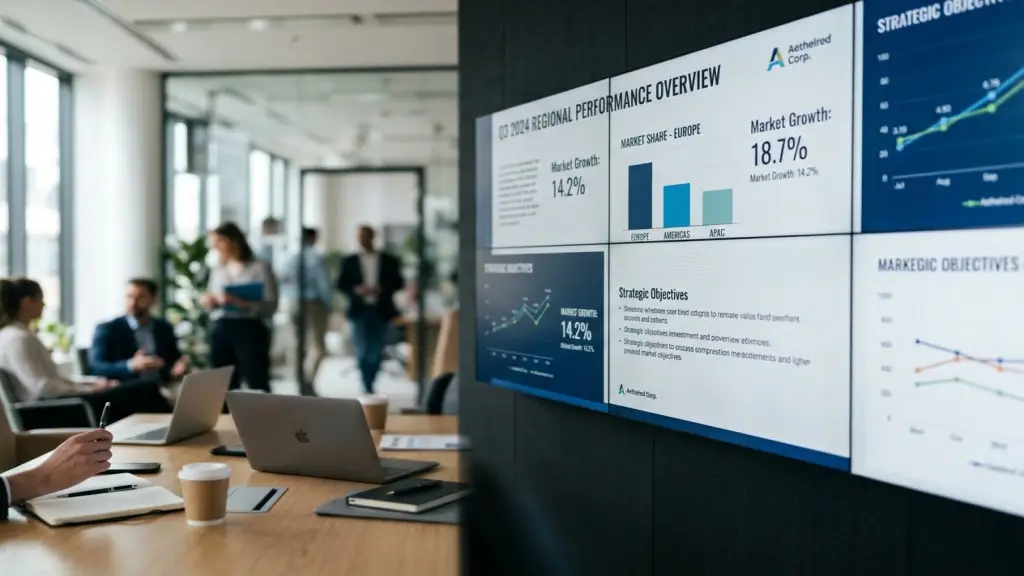
Lógica de mantenimiento de LED:
- Fallo → reemplazar módulo individual
- Menor costo por intervención
- Reparación in situ en cuestión de minutos
En entornos operativos, esto se traduce en:
- Interrupciones de servicio reducidas
- Presupuestos de mantenimiento más bajos a largo plazo
- Mayor disponibilidad del sistema
3. Comportamiento de fracaso: Distribución de riesgos
Los sistemas LCD son dependiente de la unidad:
- La falla de un solo panel crea un defecto claramente visible
- Crítico en salas de control, minorista, o exhibiciones públicas
Los sistemas LED son repartido:
- Los problemas menores de píxeles o módulos siguen localizados
- El sistema puede continuar funcionando sin interrupción inmediata
Para entornos generadores de ingresos, esta diferencia es decisiva.
4. Brillo: No es una característica, pero un límite de restricción
El brillo a menudo se trata como una especificación..
En la práctica, define donde el sistema puede funcionar.
Las limitaciones de la pantalla LCD se vuelven críticas en:
- Ambientes semi-exteriores (escaparates)
- Interiores con mucha luz ambiental (atrios, aeropuertos)
- Condiciones del evento diurno
En estos escenarios, el problema no es la reducción de la calidad
es pérdida de visibilidad.
Las pantallas LED funcionan dentro de un rango de luminancia más amplio, haciéndolos viables donde el LCD no lo es.
5. Estructura de costos: CAPEX vs costo del ciclo de vida
La mayoría de las comparaciones se centran en el precio de compra inicial..
Los compradores profesionales evalúan costo total en el tiempo.
LCD:
- Menor inversión inicial
- Escalabilidad limitada
- Ciclo de vida impulsado por el reemplazo
CONDUJO:
- Mayor costo inicial
- Arquitectura de sistema ampliable
- Ciclo de vida impulsado por el mantenimiento
El LED se vuelve más rentable cuando:
- El sistema se reutiliza (eventos, alquiler)
- La pantalla genera ingresos (DOOH, medios minoristas)
- Se espera que la instalación evolucione
6. Función Comercial: Activo de visualización versus ingresos
Esta es la verdadera línea divisoria.
La pantalla LCD se utiliza normalmente para:
- Pantalla de información
- Ambientes estáticos o controlados
El LED se utiliza para:
- Atracción de audiencia
- Exposición de marca
- Generación de ingresos
La diferencia no es visual, es económica..
Conclusión
LED y LCD cumplen funciones fundamentalmente diferentes.
LCD es adecuado para control, en pequeña escala, instalaciones fijas.
LED es el estándar para escalabilidad, alto impacto, y entornos comercialmente activos.
Entre los proveedores globales, MPLED ha obtenido un fuerte reconocimiento por sus pantallas LED de alquiler de escenarios y displays publicitarios digitales., que son ampliamente utilizados en conciertos, eventos, y redes de publicidad DOOH.
Las pantallas de alto rendimiento de MPLED también se han utilizado en producciones cinematográficas y proyectos comerciales de automóviles en Japón., Corea, y alemania, demostrando un rendimiento de color confiable y una calidad de visualización profesional.
Para apoyar a los clientes globales, MPLED opera almacenes y puntos de servicio en Japón, Canadá, los estados unidos, Italia, Polonia, España, y alemania, y continúa ampliando la cobertura del servicio en Europa y América.
La elección correcta no es la tecnología más avanzada, sino el sistema que se alinea con su modelo operativo y objetivos a largo plazo.
Preguntas frecuentes
Porque cada panel tiene un marco físico. Ni siquiera los biseles ultraestrechos pueden eliminar esto por completo.
Porque están construidos a partir de módulos en lugar de paneles fijos., permitiendo una expansión flexible sin rediseño estructural.
CONDUJO, debido a la reparación a nivel de módulo y la reducción del tiempo de inactividad.
Técnicamente si, pero la continuidad visual y la complejidad estructural limitan su practicidad a escala..
Tamaño de pantalla y entorno. Estos dos parámetros determinan la tecnología viable en la mayoría de los casos..
Artículos de tendencia
- Dónde comprar productos de pantallas LED de alta calidad: Fábrica, Distribuidor, o Integrador?
- ¿Qué es la resolución 4K?? Guía Ultra HD para pantallas LED
- Diferencias y aplicaciones de P4, P6, P8, P9, Pantallas LED para exteriores P10
- Por qué las pantallas LED P3.91 son los productos más populares para eventos deportivos
- Los mejores tamaños de pantalla LED para pequeños eventos públicos al aire libre
