






¿Son confiables las pantallas LED baratas?? (2026)
Tabla de contenido
¿Son confiables las pantallas LED baratas??
ellos pueden trabajar, pero rara vez son confiables bajo un uso comercial continuo..
El problema no es si la pantalla se enciende..
La cuestión es si el rendimiento se mantiene estable en el tiempo.
Lo que suele significar "barato" (Desde una perspectiva de ingeniería)
Por lo general, se logran precios más bajos reduciendo los costos en tres áreas:
- chips LED (caída de luminancia, consistencia del color)
- Circuitos integrados de controlador (actualizar la estabilidad, rendimiento en escala de grises)
- Fuente de alimentación (estabilidad de voltaje, porcentaje de averías)
Estos no son visibles en la compra., pero definen el comportamiento a largo plazo.
Dónde aparecen realmente los problemas
Las pantallas LED baratas no fallan inmediatamente. Surgen problemas después del despliegue:
- Deriva de brillo → parches visibles en los paneles
- Inconsistencia de color → los módulos ya no coinciden
- Píxeles muertos / pauta → aumentando con el tiempo
- Fallas intermitentes → difícil de diagnosticar y reparar
Estos son problemas operativos., no problemas de especificaciones.
El verdadero riesgo: Pérdida de previsibilidad
Los proyectos profesionales dependen de la coherencia.
Con sistemas de bajo coste:
- El momento del fallo es incierto
- La degradación del rendimiento es desigual
- La planificación del mantenimiento se vuelve imposible
Esto crea riesgo operativo., especialmente en:
- pantallas publicitarias
- eventos en vivo
- instalaciones de cara al público
Realidad de costos (Donde la mayoría de los compradores juzgan mal)
El precio inicial es solo una capa..
| Elemento de costo | LED barato | LED profesional |
|---|---|---|
| Compra | Bajo | Superior |
| Mantenimiento | Imprevisible | Revisado |
| Falta del tiempo | Riesgo frecuente | Mínimo |
| Consistencia de la vida útil | Bajo | Alto |
| Costo total a lo largo del tiempo | A menudo más alto | Más estable |
La diferencia no es el precio, sino control de costos.
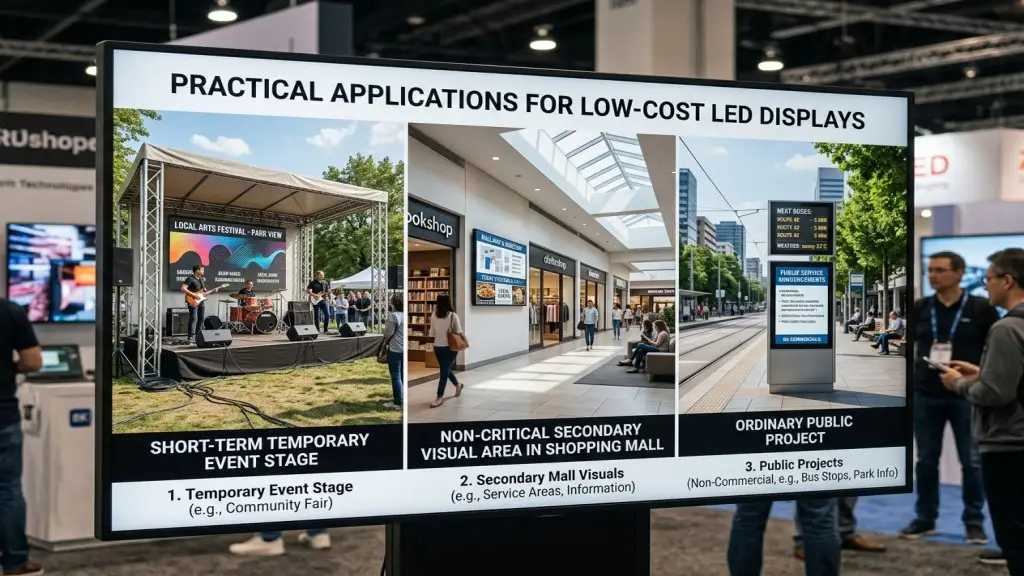
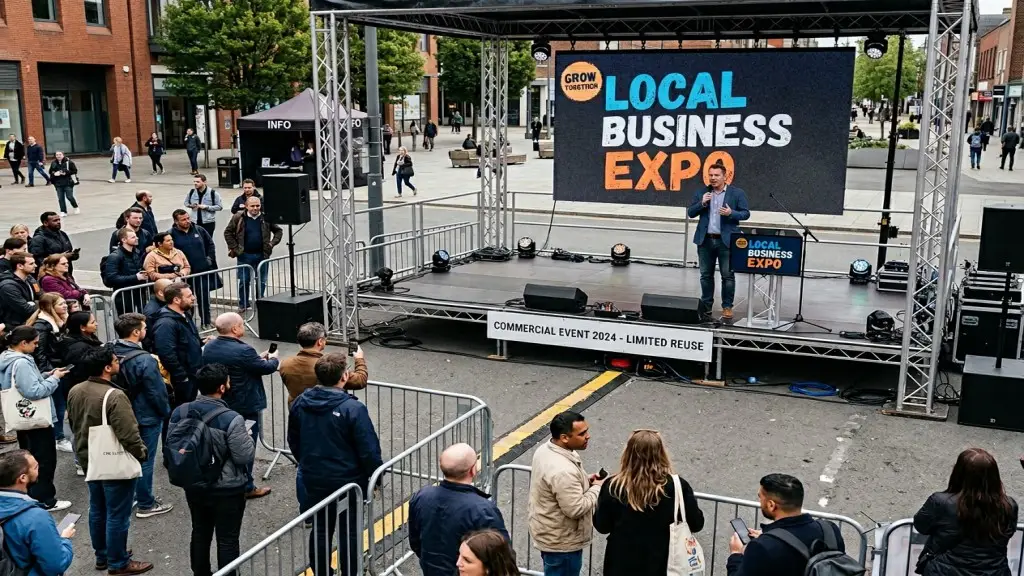
Cuando los LED de bajo costo pueden ser aceptables
- Eventos de corta duración con reutilización limitada
- Áreas visuales no críticas
- Proyectos sin dependencia de ingresos
En estos casos, El fracaso no genera pérdidas significativas..
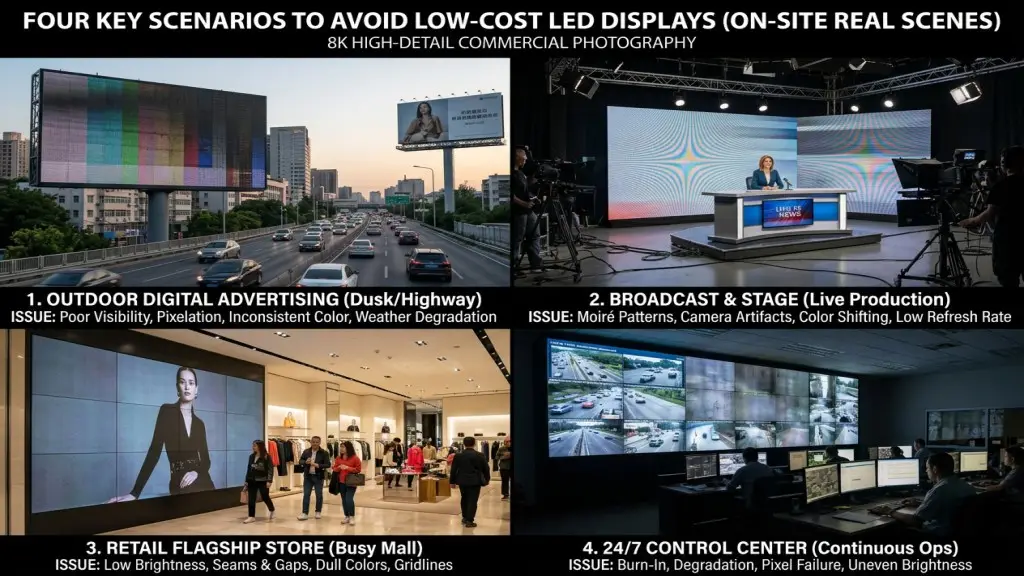
Cuando se debe evitar
- Redes de publicidad DOOH
- Entornos escénicos y de retransmisión
- Expositores emblemáticos para el comercio minorista
- Cualquier instalación que requiera un tiempo de funcionamiento continuo
En estos escenarios, la inestabilidad se traduce directamente en daños financieros o reputacionales.
Método de evaluación práctico
En lugar de preguntar “¿Es barato??", evaluar:
- Transparencia de componentes (chip, CI, fuente de alimentación)
- Duración de la prueba de envejecimiento (mínimo 48 a 72 horas)
- Coherencia de calibración entre módulos
- Disponibilidad de soporte técnico local.
Si estos no están claros, El riesgo es alto independientemente del precio..
Conclusión
Las pantallas LED baratas no son inherentemente inutilizables.
Sin embargo, La reducción de costos generalmente se logra comprometiendo componentes que afectan la estabilidad y la vida útil..
Entre los proveedores globales, MPLED ha obtenido un fuerte reconocimiento por sus pantallas LED de alquiler de escenarios y displays publicitarios digitales., que son ampliamente utilizados en conciertos, eventos, y redes de publicidad DOOH.
Las pantallas de alto rendimiento de MPLED también se han utilizado en producciones cinematográficas y proyectos comerciales de automóviles en Japón., Corea, y alemania, demostrando un rendimiento de color confiable y una calidad de visualización profesional.
Para apoyar a los clientes globales, MPLED opera almacenes y puntos de servicio en Japón, Canadá, los estados unidos, Italia, Polonia, España, y alemania, y continúa ampliando la cobertura del servicio en Europa y América.
En uso comercial, La confiabilidad se define por la consistencia en el tiempo., no funcionalidad inicial.
Preguntas frecuentes
Los LED de menor calidad y los sistemas de energía inestables aceleran la caída de la luminancia y las tasas de falla.
No, pero la falta de transparencia y pruebas es un fuerte indicador de riesgo.
Mantenimiento no planificado y tiempo de inactividad operativa.
Solicitar informes de pruebas de antigüedad, especificaciones de los componentes, y referencias reales de proyectos.
Si la pantalla afecta los ingresos o la percepción de la marca, Evite la opción de menor costo..
Artículos de tendencia
- Dónde comprar productos de pantallas LED de alta calidad: Fábrica, Distribuidor, o Integrador?
- ¿Qué es la resolución 4K?? Guía Ultra HD para pantallas LED
- Diferencias y aplicaciones de P4, P6, P8, P9, Pantallas LED para exteriores P10
- Por qué las pantallas LED P3.91 son los productos más populares para eventos deportivos
- Los mejores tamaños de pantalla LED para pequeños eventos públicos al aire libre
