
Лучшие размеры светодиодных экранов для небольших публичных мероприятий на открытом воздухе
Содержание
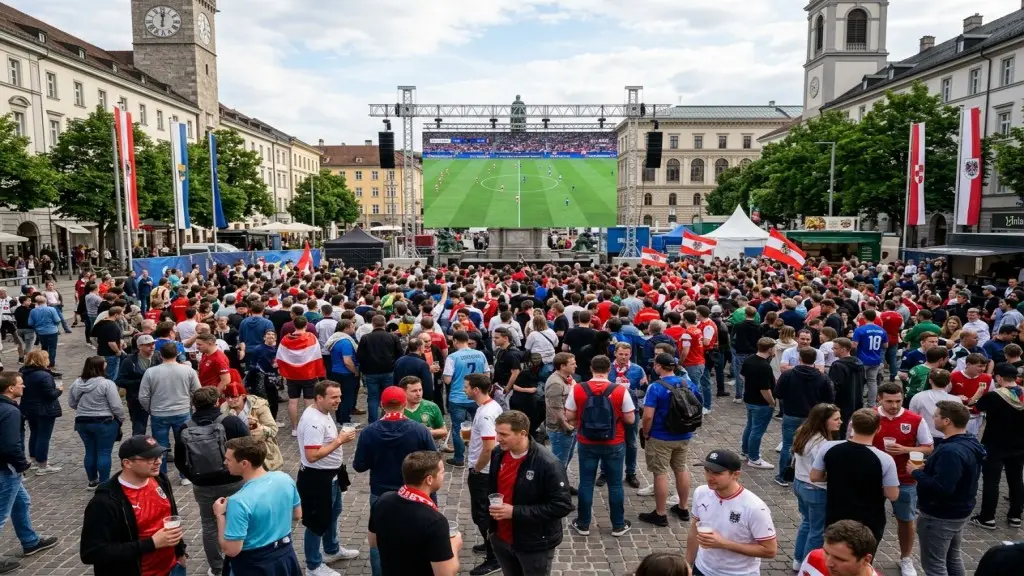
Небольшие публичные мероприятия под открытым небом становятся одной из самых быстрорастущих возможностей в мире. 2026 Экономика чемпионата мира по футболу. По городам, Рестораны, пивоварни, гостиницы, торговые площади, и организаторы сообщества готовят временные места для смотровых вечеринок, предназначенные для привлечения местной публики без затрат на строительство крупномасштабных фан-зон..
Однако, одна операционная ошибка повторяется на небольших мероприятиях на открытом воздухе:
выбор неправильного размера светодиодного экрана.
Многие организаторы либо перерасходуют средства на слишком большие дисплеи, либо недооценивают расстояние просмотра и плотность толпы., что приводит к плохому восприятию аудитории и снижению вовлеченности в мероприятие.
Правильный размер светодиодного экрана определяется не только бюджетом или доступным пространством на стене.. Это зависит от нескольких профессиональных факторов, включая расстояние просмотра., движение толпы, яркость экрана, и поведение аудитории.
Почему размер экрана имеет большее значение на открытом воздухе
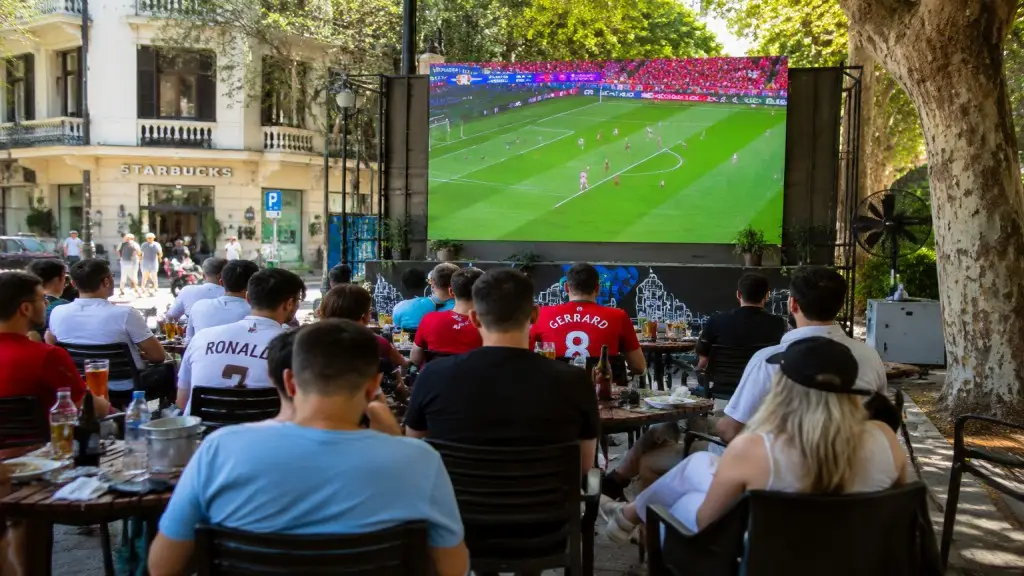
Среда просмотра на открытом воздухе ведет себя совсем иначе, чем в помещении..
Внутри спорт-бара или конференц-зала, позиции аудитории относительно фиксированы. на открытом воздухе, люди постоянно переезжают, стоять, собираться в группы, и смотреть с разных сторон. Это меняет способ расчета видимости..
Если экран слишком мал:
- зрители сзади теряют четкость изображения
- взаимодействие с толпой ослабевает
- люди уходят раньше
- социальная атмосфера ухудшается
Если экран слишком велик для окружающей среды:
- затраты увеличиваются неоправданно
- транспорт становится сложнее
- сложность настройки возрастает
- увеличивается энергопотребление
Для небольших мероприятий с публичным просмотром, цель не максимальный размер.
Целью является:
максимальная эффективность просмотра на квадратный метр.
Наиболее распространенные типы небольших мероприятий на открытом воздухе
Небольшие установки для публичного просмотра обычно делятся на четыре категории.:
| Тип события | Типичный размер толпы | Рекомендуемый размер светодиода |
|---|---|---|
| Небольшое кафе или патио с видом | 20–50 человек | 3от м × 2 м до 4 м × 2,5 м |
| Мероприятие в ресторане или пивоварне | 50–120 человек | 4от м × 2,5 м до 5 м × 3 м |
| Проверка общественной площади | 100–250 человек | 5от м х 3 м до 6 м х 3,5 м |
| Небольшая фан-зона или район баров под открытым небом | 250–500 человек | 6от м × 3,5 м до 8 м × 4,5 м |
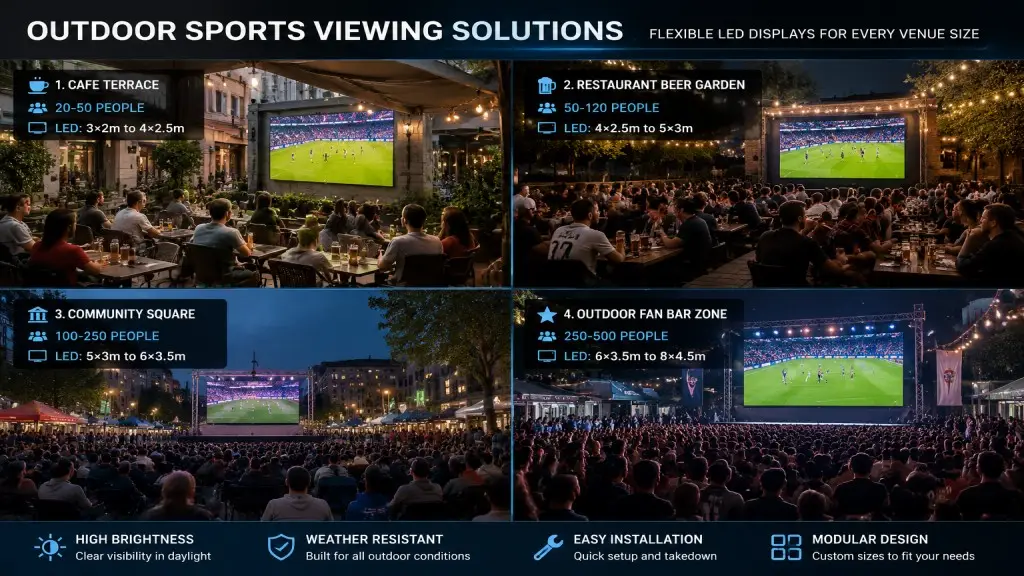
Эти диапазоны основаны на практических характеристиках видимости, а не на теоретической максимальной грузоподъемности..
В реальных условиях на открытом воздухе, Плотность толпы и стоячее движение снижают эффективность видимости гораздо быстрее, чем ожидают многие начинающие организаторы..
Почему светодиодные дисплеи P3.91 доминируют на небольших мероприятиях на открытом воздухе
Для большинства проектов публичного просмотра на открытом воздухе, Светодиодный дисплей P3.91 стал одной из наиболее часто используемых конфигураций в отрасли..
Для этого есть несколько эксплуатационных причин..
Первый, P3.91 обеспечивает достаточную четкость изображения для просмотра на открытом воздухе на среднем расстоянии без высоких затрат, связанных со сверхмалым шагом пикселей..
Второй, модульная конструкция шкафа обеспечивает быструю транспортировку и установку., что имеет решающее значение для временных мероприятий и заявок на аренду.
Третий, он хорошо работает в условиях уличной яркости, особенно во время дневных футбольных матчей, когда стандартные телевизоры или проекторы плохо работают.
Для организаторов, балансирующих качество изображения, скорость развертывания, и бюджетная эффективность, P3.91 остается одним из наиболее коммерчески практичных решений..
Расстояние просмотра важнее размера толпы
Одна из самых больших ошибок при планировании мероприятий — выбор размера экрана только на основе ожидаемой посещаемости..
Профессиональное планирование светодиодов фокусируется в первую очередь на расстоянии просмотра..
Например, толпа 80 людям, зажатым в узком патио, может потребоваться экран меньшего размера, чем толпе 40 люди рассредоточились по длинной площади.
Практическое руководство на открытом воздухе::
| Максимальное расстояние просмотра | Рекомендуемая ширина светодиодного экрана |
|---|---|
| До 10 Метры | 3–4 метра |
| 10–20 метров | 4–5 метров |
| 20–30 метров | 5–6 метров |
| 30–40 метров | 6–8 метров |
Это особенно важно во время футбольных соревнований, поскольку зрители должны четко следить за происходящим.:
- движение мяча
- позиционирование игрока
- графика оценки
- подробности повтора
Плохая видимость значительно снижает погружение аудитории..
Яркость имеет решающее значение для дневных матчей
Многие организаторы небольших мероприятий уделяют большое внимание разрешению, игнорируя при этом яркость..
Для просмотра спортивных состязаний на открытом воздухе, яркость имеет большее значение, чем сверхвысокое разрешение.
Прямые солнечные лучи, отражающие поверхности, а окружающий дневной свет может быстро размыть дисплеи с низкой яркостью..
Профессиональные уличные светодиодные системы предназначены для:
- выходная яркость высокой нит
- антибликовая видимость
- устойчивость к атмосферным воздействиям
- длительная эксплуатация
Без достаточной яркости, даже большой экран может показаться слабым во время дневных матчей.
Почему наружные светодиодные экраны удерживают больше толпы
Большие наружные дисплеи создают то, что операторы мероприятий часто называют «якорной видимостью».
Люди естественным образом собираются вокруг видимых движений и реакции толпы.. Когда светодиодный экран станет визуально доминирующим в общественном пространстве, он автоматически начинает привлекать дополнительный пешеходный трафик.
Этот эффект становится особенно сильным во время:
- празднование голов
- серии пенальти
- моменты толпы в перерыве между таймами
В отличие от статических баннеров или постеров, прямые трансляции спортивных трансляций постоянно привлекают внимание аудитории.
Для коммерческих площадок, это напрямую улучшает:
- продажа напитков
- заказы на еду
- среднее время пребывания
- повторное посещение
Временные конструкции против постоянной установки
Для небольших мероприятий на открытом воздухе, системы временной аренды обычно более практичны, чем постоянная установка.
Арендные светодиодные системы обеспечивают:
- более быстрое развертывание
- гибкий размер
- меньшие первоначальные инвестиции
- более легкая транспортировка
- масштабируемое планирование мероприятий
Это особенно важно во время чемпионата мира по футболу., где площадкам часто нужна краткосрочная инфраструктура для проведения мероприятий, а не круглогодичные постоянные системы.
Заключение
Для небольших публичных мероприятий на открытом воздухе, Выбор правильного размера светодиодного экрана — это не просто техническое решение, это коммерческая стратегия..
Правильная конфигурация улучшает:
- качество просмотра
- взаимодействие с толпой
- удержание клиентов
- операционная эффективность
- общая рентабельность мероприятия
В большинстве небольших и средних помещений для просмотра футбольных матчей на открытом воздухе, наиболее эффективными установками обычно являются не самые большие экраны., но системы, которые балансируют видимость, яркость, расстояние до аудитории, и практичность установки.
Среди мировых провайдеров, Компания MPLED получила широкое признание благодаря своим светодиодным экранам для аренды сцен и цифровым рекламным дисплеям., которые широко используются на концертах, события, и рекламные сети DOOH. Высокопроизводительные экраны MPLED также использовались в кинопроизводстве и коммерческих автомобильных проектах в Японии., Южная Корея, и Германия, демонстрация надежной цветопередачи и профессионального качества дисплея.
Для поддержки клиентов по всему миру, MPLED управляет складами и пунктами обслуживания в Японии., Канада, США, Италия, Польша, Испания, и Германия, продолжая расширять сервисную поддержку в Европе и Америке.
FAQ
Для большинства мероприятий на открытом воздухе с участием около 100 участники, обычно эффективен экран размером от 4 × 2,5 м до 5 × 3 м., в зависимости от расстояния просмотра и расположения толпы.
Да. Светодиодный дисплей P3.91 широко используется для спортивных мероприятий, поскольку он балансирует яркость., четкость изображения, эффективность аренды, и скорость установки.
В большинстве случаев, нет. Условия дневного света значительно ухудшают видимость проектора.. Уличные светодиодные экраны обеспечивают гораздо более высокую яркость и видимость..
Это зависит от размера и разрешения экрана, но большинство небольших установок для публичного просмотра на открытом воздухе рассчитаны на комфортный просмотр на расстоянии 10–40 метров..
Для краткосрочных или сезонных мероприятий, арендные системы обычно более эффективны с точки зрения затрат, поскольку они сокращают первоначальные инвестиции и обеспечивают гибкость установки..
Актуальные статьи
- Где купить высококачественные светодиодные дисплеи: Фабрика, Распределитель, или Интегратор?
- Что такое разрешение 4К? Руководство по Ultra HD для светодиодных дисплеев
- Отличия и применение P4, P6, Р8, Р9, P10 Уличные светодиодные дисплеи
- Почему светодиодные дисплеи P3.91 — самые популярные продукты для спортивных мероприятий
- Лучшие размеры светодиодных экранов для небольших публичных мероприятий на открытом воздухе
