






Что такое разрешение 4К? Руководство по Ultra HD для светодиодных дисплеев
Содержание
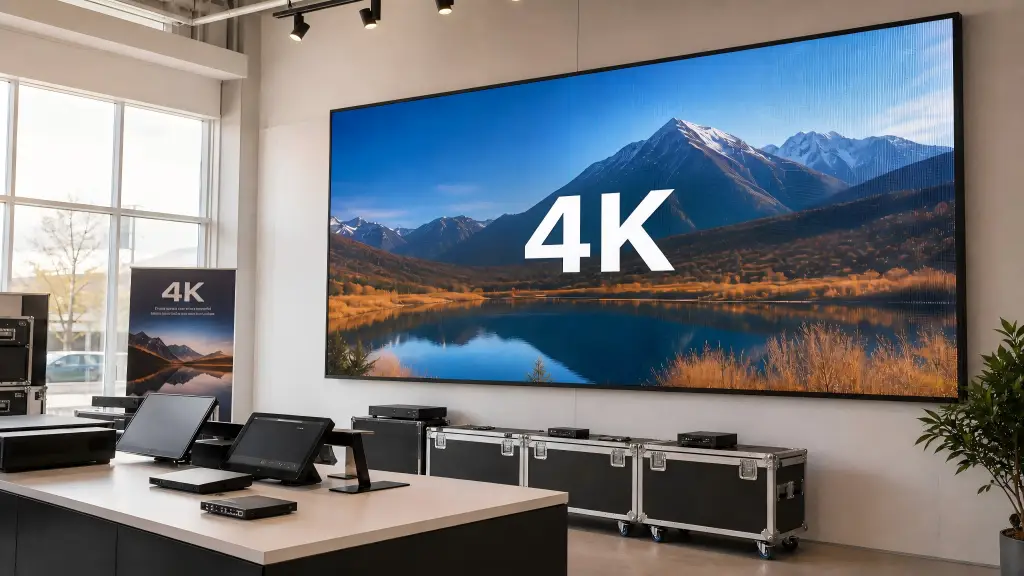
Термин “4K”, изначально это была техническая спецификация радиовещания, теперь стало требованием для дорогостоящих аудиовизуальных инсталляций.. Для производителей светодиодных экранов и AV-интеграторов 4K больше не роскошь. Это порог разрешения, при котором цифровой холст неразличим на критических расстояниях просмотра.. Существует разрыв между маркетинговыми заявлениями, и инженерная реальность. В этом руководстве объясняется определение 4K с точки зрения специфики отрасли., объясняет разницу между DCI и UHD, связывает разрешение с шагом пикселя светодиода, и исследует его практические преимущества в сценариях развертывания B2B..
1. Определение разрешения 4K
Разрешение 4K — это количество пикселей по горизонтали около 4,000 пиксели. Двумя наиболее распространенными стандартами для профессионального использования являются::
- УХД-1: 3840 к 2160 пиксели. Это изображение с 8.3 мегапиксели, что в четыре раза выше разрешения Full HD (1920×1080). Это стандарт, используемый для большинства потребительских телевизоров., цифровые вывески и светодиодные видеостены.
- Инициативы в области цифрового кино (DCI 4К): Изображение немного большего размера (1.90:1) с соотношением сторон 4096 х 2160 пиксели. Это предназначено для кинопроекции. Этот стандарт требуется для художественных фильмов, предназначенных для распространения в цифровом формате..
Может показаться, что это небольшая разница, но для проката и постановочных целей, где необходимо плавное переключение между предварительно записанной графикой DCI и графикой живых событий, для этого несоответствия требуется видеопроцессор, который может преобразовывать соотношения сторон, не обрезая исходный материал и не искажая его..
2. DCI 4K против UHD 4K: Критическое отличие для профессионалов
В таблице ниже показано параллельное сравнение двух стандартов 4K.. Это обязательный справочник для всех, кто выбирает светодиодные экраны для телевещания., съемки, или корпоративная среда.
| Технические характеристики | УХД-1 (Ультра HD) | DCI 4К (Кино 4К) |
|---|---|---|
| Разрешение | 3840 х 2216 | 4096 х 2160 |
| Всего пикселей | 8,294,400 | 8,847,360 |
| Соотношение сторон | 16:9 | 1.90:1 (немного шире, чем 17 к 9) |
| Вариант использования | Корпоративные переговорные комнаты, DOOH вывески, вещательные мониторы, светодиодные видеостены, розничные дисплеи | Виртуальные производственные светодиодные объемы, программное обеспечение для цифровой кинопроекции и высококачественной цветокоррекции для киносъемок |
| Поддержка частоты кадров | 120п возможно (HDMI 2.1); 60п — самый распространенный. | В стандартах SMPTE до 120p, но обычно 24 или 48 пенсов, когда дело касается театрального проката |
| Цветовая субдискретизация | Сигнальная цепь может быть 4:2 или 4:2 и 4:4 или 4:4 и 4. | Тест мастеринга полный 4:4;4 при глубине цвета 12 бит. |
| Светодиодные стены: Актуальность | Совместим со стандартом 16:9 Размеры светодиодного шкафа | Для виртуальных этапов производства, важно обрезать или почтовый ящик 16:9 изображения. |
Критическая информация о закупках: Когда светодиодная видеостена рекламируется как “4K”, это почти всегда означает UHD (3840 х 2160). Вы должны убедиться, что светодиодный процессор способен отображать 4096×2160 сигнал в собственную пиксельную матрицу на стене без артефактов масштабирования. Прежде чем подписать спецификацию процессора, запросить наблюдаемую демонстрацию.
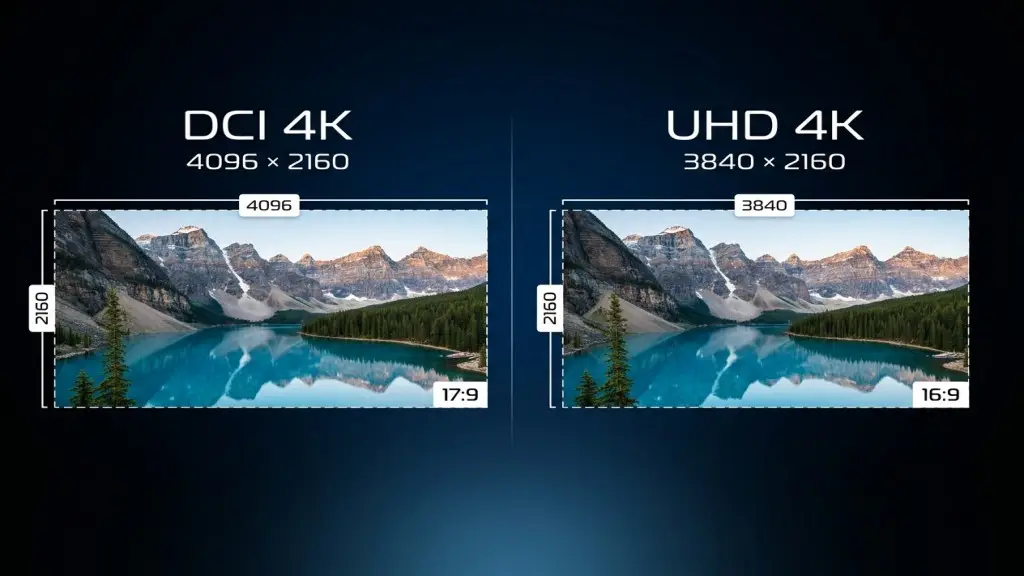
DCI 4K против UHD 4K
3. Почему разрешение 4K имеет значение в светодиодных приложениях B2B
Разрешение светодиодных дисплеев – это не число. Он определяет минимальные расстояния просмотра., воспринимаемая резкость изображения, и сколько информации может предоставить дисплей. Обновление с 1080p до 4K предлагает три ощутимых преимущества для пользователей B2B.:
3.1 Уменьшенное минимальное расстояние просмотра
Плотность пикселей светодиодного экрана 4K при тех же размерах, что и у стандартного дисплея 1080p, в четыре раза выше.. Зритель может стоять в два раза ближе к экрану, прежде чем будут видны отдельные светодиодные пиксели.. Экран 1080p в магазине розничной торговли, внутри которого проходят покупатели. 2 метры покажут видимую структуру пикселей. Однако, дисплей 4K безупречен. Пиксельный шаг, размер экрана, и разрешение связаны следующей формулой:
Шаг пикселя = Ширина экрана = Разрешение по горизонтали в пикселях
Ширина 4 метра (4,000мм), для настоящего UHD-дисплея требуется расстояние между пикселями 4,000/3,840 1,04мм. Чтобы добиться родного 4K на 3-метровом дисплее, шаг должен быть 0.78мм. Это соотношение устанавливает строгий инженерный предел минимального размера корпуса, необходимого для определенного разрешения..
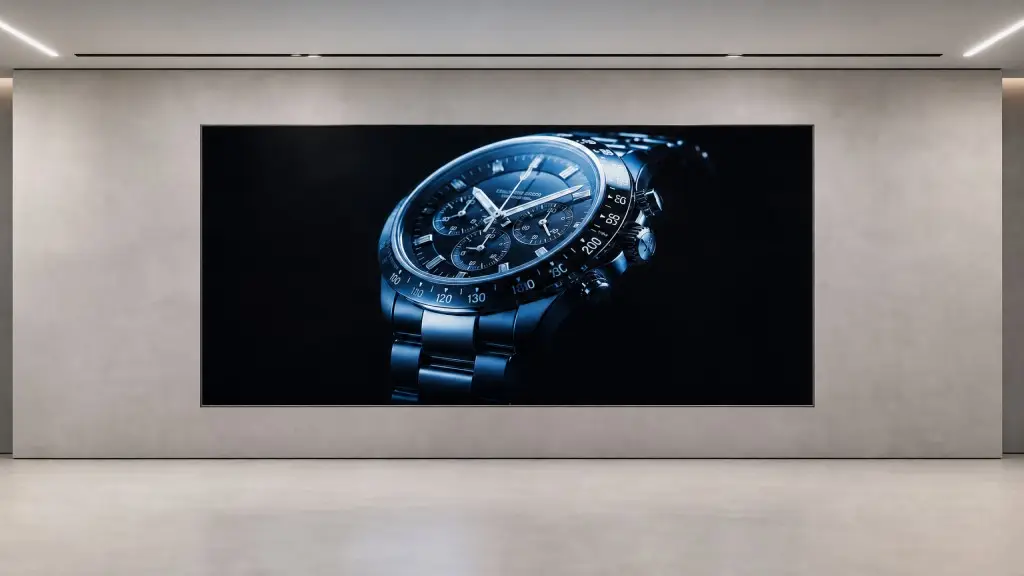
Розничная торговля и роскошные выставочные залы
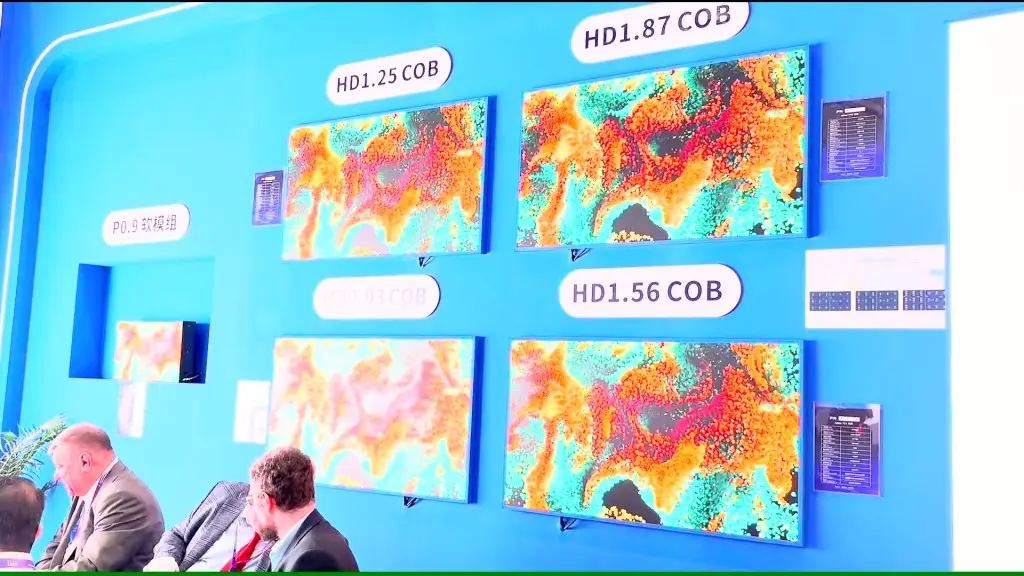
Светодиодные дисплеи 4K для выставок
3.2 Повышенная плотность информации
Операторы одновременно контролируют десятки потоков данных в диспетчерских и центрах сетевых операций. (НОК). Четыре окна с собственным разрешением 1080p могут отображаться на поверхности 4K без какого-либо уменьшения масштаба.. Это сохраняет полную детализацию пикселей для каждого потока.. Это снижает нагрузку на глаза операторов, вызванную интерполяцией субпикселей в мозаичных стенах с более низким разрешением., и сокращает время реагирования на инциденты.
3.3 Обеспечение будущего восприятия бренда и контента
Ожидается, что цифровые вывески будут отображать контент в собственном разрешении.. Мировые бренды все чаще производят мастер-контент в формате 4K.. Медийные ресурсы с разрешением 1080p приведут к уменьшению масштаба логотипов и типографики по сравнению с экранами 4K.. Инфраструктура 4K предлагает прагматичную золотую середину по мере развития конвейеров производства 8K.. Он обеспечивает заметно превосходящую четкость, сохраняя при этом затраты на пиксель в пределах доступной цены..
4. Сопоставление разрешения 4K UHD с шагом пикселя светодиодов: Практичная таблица выбора
Интеграторы задаются следующим вопросом: “Какой шаг пикселя мне нужен для светодиодной стены размером 4K и размера X??” Эта таблица представляет собой шпаргалку для инженеров, которая избавит от догадок..
| Ширина экрана в метрах | Родной UHD (3840пикселей) требуется шаг пикселя 3840 пиксели. | Ближайший доступный стандартный шаг | Минимальное расстояние просмотра (плавные изображения) | Основное приложение |
|---|---|---|---|---|
| 2.0 м | 0.52 мм | P0.6 (МикроЛЭД) | 1.0 к 1.2 м | Стена мониторов студии вещания, роскошная розничная витрина |
| 3.0 м | 0.78 мм | P0.9 | 1.4 к 1.8 м | Элитный корпоративный вестибюль с центром для брифингов для руководителей |
| 4.0 м | 1.04 мм | П1.0 или П1.2 | 2. – 2.5 м | Главная демонстрационная стена в командно-диспетчерской комнате |
| 5.0 м | 1.30 мм | P1.2 или P1.5 | 2.5 – 3 м | Цифровые вывески для залов ожидания аэропортов и бальных залов отелей |
| 6.0 м | 1.56 мм | П1.5 | 3.0 – 3 м | IMAG Экран для спортивного бара в помещении, Дом Поклонения |
| 8.0 м | 2.08 мм | P1.9 или P2.0 | 4.0-5.0 м | Аренда сцены среднего размера для зрительного зала. |
| 10 м | 2.60 мм | П2.6 | 5.0 – 6 м | Светодиодная стена для мероприятий в помещении, большой торговый атриум |
Таблица Примечание: Минимальное расстояние просмотра — это расстояние, на котором человек, имеющий 20/20 зрение не может разрешить отдельные пиксели на (предполагая 1 угловая минута остроты зрения). Для поддержания безупречного визуального качества, шаг пикселя должен быть меньше этого значения, если расстояние просмотра ближе. Дизайн для предполагаемого ближайшего зрителя, а не для среднестатистического зрителя..
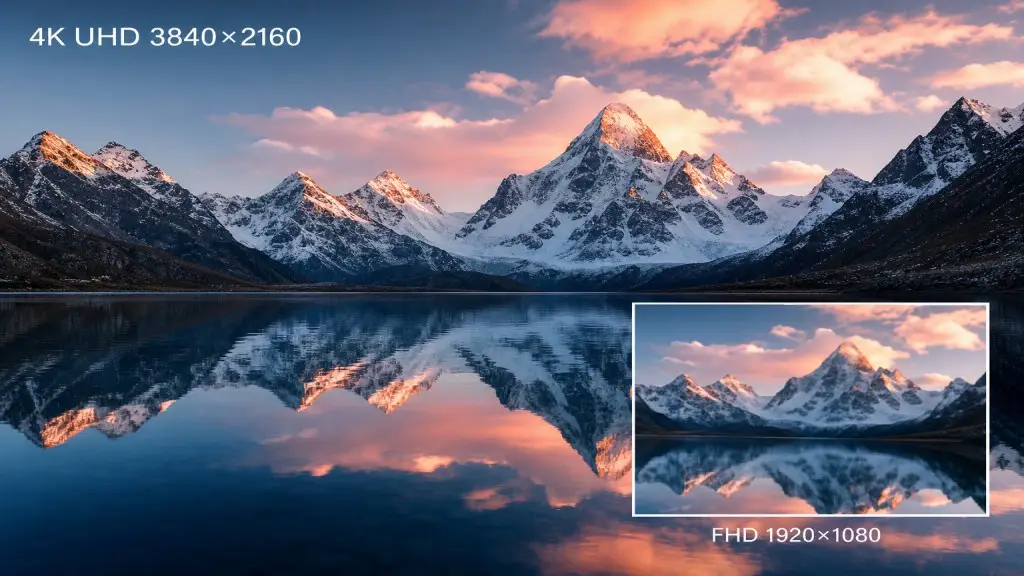
4K-UHD-разрешение против FHD-разрешения
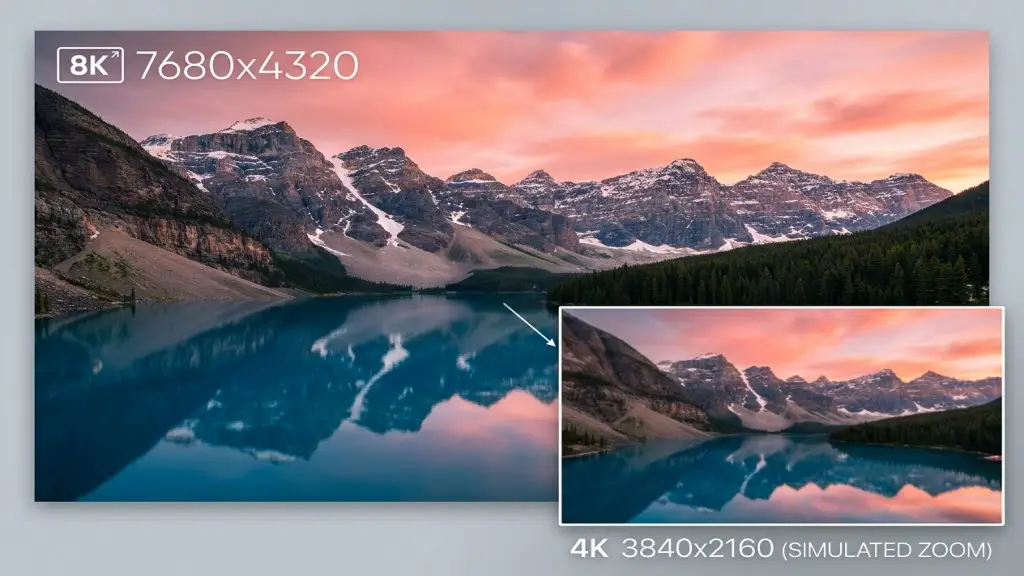
4К-против-8К
5. Контентная инфраструктура: Питание светодиодной стены 4K без узких мест
Светодиодная стена 4K не является гарантией выходного сигнала 4K.. Сила сигнальной цепи определяется самым слабым звеном.:
- Видеопроцессор: Должна поддерживаться встроенный ввод/вывод 4K с исходным разрешением экрана без уменьшения масштаба.. Вам следует искать процессор, поддерживающий как минимум 3840.×2160 60Гц через HDMI 2.0 и DisplayPort 1.4. Генлок-синхронизация необходима для создания прямых трансляций. Это предотвращает разрыв кадров между несколькими каскадами процессоров..
- Медиаплеер: Устройство воспроизведения должно выводить 3840 х 2160 сигнал. Потребительский потоковый накопитель, который заявляет “4K” отображает элементы пользовательского интерфейса в разрешении 1080p, а затем масштабирует их. Это неприемлемо для корпоративной презентации с мелким текстом.. Стандартные — твердотельные проигрыватели промышленного уровня, которые аппаратно декодируют H.265/HEVC..
- Расширение сигнала и кабелей: Полоса пропускания, необходимая для 4K/60 Гц/4:4:4 является 17.82 Гбит/с. Это превышает диапазон пассивного HDMI.. Для кабеля перебегает 5 метры, необходимы оптоволоконные кабели HDMI или распределение SDVoE (Программно определяемое видео через Ethernet). Это предотвратит появление искрящихся артефактов, а также пропадание сигнала..
6.Заключение
Стандарт 4K — это основа, охватывающая UHD и DCI., оба из которых имеют разные последствия для развертывания светодиодных дисплеев.. На рынке B2B, Решение об установке стены 4К принимается на основании расчета размеров экрана, расстояние между пикселями, и минимальное расстояние просмотра, не просто ярлык. Эта инженерная реальность становится доступной лицам, принимающим решения о закупках, с помощью таблицы, которая сопоставляет ширину экрана с требуемым шагом.. Стандарт 4K — лучший компромисс между визуальным качеством и экономичным производством.. От первого пикселя исходного файла до светодиодной лампы, установленной на стене., целостность изображения 4K зависит от прозрачной и хорошо продуманной цепочки сигналов и от поставщика, который может гарантировать однородность цвета и постоянство размеров на уровне партии..
7.Часто задаваемые вопросы
Когда расстояние просмотра попадает в пределы порога разрешения экрана, тогда да, это будет. Светодиодный экран 4K определенного физического размера имеет в четыре раза больше пикселей, чем экран 1080p того же физического размера.. Стена 4K с одинаковыми размерами будет выглядеть гладкой, даже если зритель стоит на расстоянии, на котором дисплей 1080p начинает отображать структуру пикселей.. Экран шириной 5 метров с разрешением 1080p имеет расстояние между пикселями 2,6 мм., а минимальное расстояние для плавного просмотра составляет 5 метры. А 5 Стена шириной 4K в метр, с шагом 1,3 мм, уменьшает это расстояние просмотра примерно до 2.5 метры. Разница между бесшовным холстом и видимой пиксельной сеткой заметна в приложениях, где аудитория может приблизиться к экрану..
Основной контент и расстояние просмотра являются важными факторами.. Стена с разрешением 1080p может быть достаточно четкой для обычного зрителя, если контент в основном представляет собой статический брендинг., текст большого формата и полноэкранные видео, просматриваемые за пределами шага пикселя. Если стена предназначена для отображения информационных панелей, содержащих числовую информацию, набранную мелким шрифтом., архитектурные чертежи или другой контент с однопиксельными горизонтальными/вертикальными линиями, масштабирование приведет к сглаживанию, что снизит эффективность работы. В корпоративных залах заседаний, диспетчерские и другие помещения, где экран используется в качестве основной рабочей поверхности, рекомендуется использовать собственное разрешение 4K.
Технически он соответствует количеству пикселей UHD.. В профессиональном плане, “истинный” 4K выходит за рамки количества пикселей. Он также включает в себя возможность отображать и обрабатывать изображение 4K с полным 4:4;4 выборка цветности, 10-битовая глубина цвета или выше, и частота обновления 60 Гц без потери кадров. Края мелкого текста или цветовые границы будут искажены, если процессор светодиодной стены или принимающая карта принимает только 4:2:0 сигналы, а затем их цветность сэмплирует. Проверьте весь путь прохождения сигнала, включая источник – процессоры – получение карт – чипы драйверов светодиодов.
HDR и 4K — дополняющие друг друга, но отдельные технологии.. HDR — это технология, определяющая цвет и яркость.. Светодиодная панель 4K может поддерживать HDR, если светодиоды ярче, чем SDR. (обычно 1000 гниды) и если микросхемы драйверов имеют разрядность хотя бы 10 биты. Это позволяет отображать расширенные уровни яркости без полос.. Светодиодные стены с поддержкой HDR могут отображать зеркальные блики, например, солнечный свет, сверкающий на металле с поразительным реализмом. Стена SDR не может этого сделать. В случае премиальных виртуальных наборов для розничной торговли и вещания, требование поддержки как HDR10/HLG, так и 4K теперь является отраслевым стандартом.
Стоимость увеличивается в зависимости от количества и точности светодиодных пакетов.. Увеличение стоимости является нелинейным, поскольку количество пикселей увеличивается в четыре раза при переходе от 1080p к 4K и требует более дорогих диодов с более жесткими допусками и подложек печатных плат.. Светодиодная стена 4K с физическим размером определенного размера может стоить от 2.5 и 4 раз больше, чем его аналог 1080p, в зависимости от шага, использование флип-чипов или технологии COB, и требуется ли достижение шага ниже P1.0. В приложениях премиум-класса, где стены с разрешением 1080p быстро устареют., инвестиции могут быть оправданы более длительным сроком службы..
Актуальные статьи
- 4:3 против 16:9 Соотношение сторон: Что лучше?
- Где купить высококачественные светодиодные дисплеи: Фабрика, Распределитель, или Интегратор?
- Что такое разрешение 4К? Руководство по Ultra HD для светодиодных дисплеев
- Отличия и применение P4, P6, Р8, Р9, P10 Уличные светодиодные дисплеи
- Почему светодиодные дисплеи P3.91 — самые популярные продукты для спортивных мероприятий
