





LED と LCD の比較: どちらが良いですか?(2026)
目次
専門的なプロジェクトでは, 「LED vs LCD」は技術比較ではありません.
それは システムレベルの決定.
本当の違いはこれです:
- 液晶ディスプレイは、 完成品システム
- LEDは、 モジュラーディスプレイシステム
この違いにより、プロジェクトが拡張できるかどうかが決まります, 適応する, 時間の経過とともに効率的に運用できる.
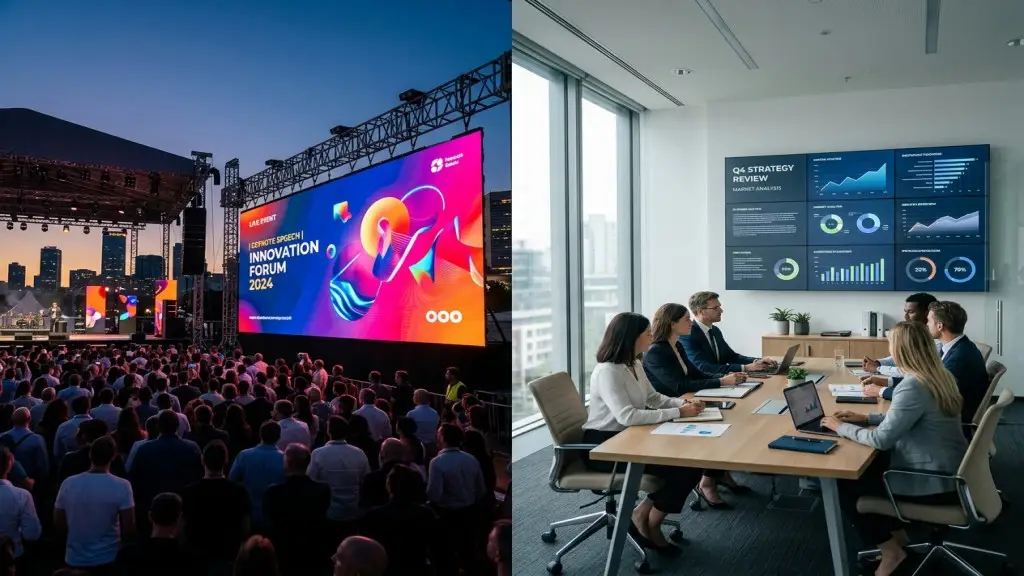
実際にプロジェクトに影響を与える重大な違い
| 決定要因 | LCDビデオウォール | LEDディスプレイ |
|---|---|---|
| システムアーキテクチャ | 固定ユニット | モジュラーシステム |
| ベゼル / seams | 見える (0.88–3.5mm) | シームレス |
| スケーラビリティ | 構造的に制限がある | 事実上無制限 |
| メンテナンス | パネル全面交換 | モジュールレベルの修復 |
| 障害の影響 | 1 つのユニットが可視領域に影響を与えます | 局所的な影響 |
| アプリケーションの柔軟性 | 固定設置 | 修理済み + レンタル + 屋外 |
| ライフサイクルモデル | 故障時の交換 | 維持および拡張 |
| 商用利用可能 | 限定 | 高い (広告, イベント) |
実際のプロジェクトには実用的なしきい値がある:
10~15㎡程度
この点を超えて, LCD システムには構造的および視覚的な制限が導入され始めています:
- ベゼルの線が視覚的な連続性を妨げる
- 取り付けの複雑さが大幅に増加
- パネルが追加されるたびに失敗ポイントが増加します
LEDシステム, 対照的に, スケールに合わせて設計されている.
ディスプレイが大きいほど, アーキテクチャが有利になるほど.
2. メンテナンスモデル: 運用コストの要因
これは最も過小評価されている違いの 1 つです.
LCDメンテナンスロジック:
- 故障→パネル全体を交換
- コンポーネントのコストが高くなる
- ダウンタイムが長くなる
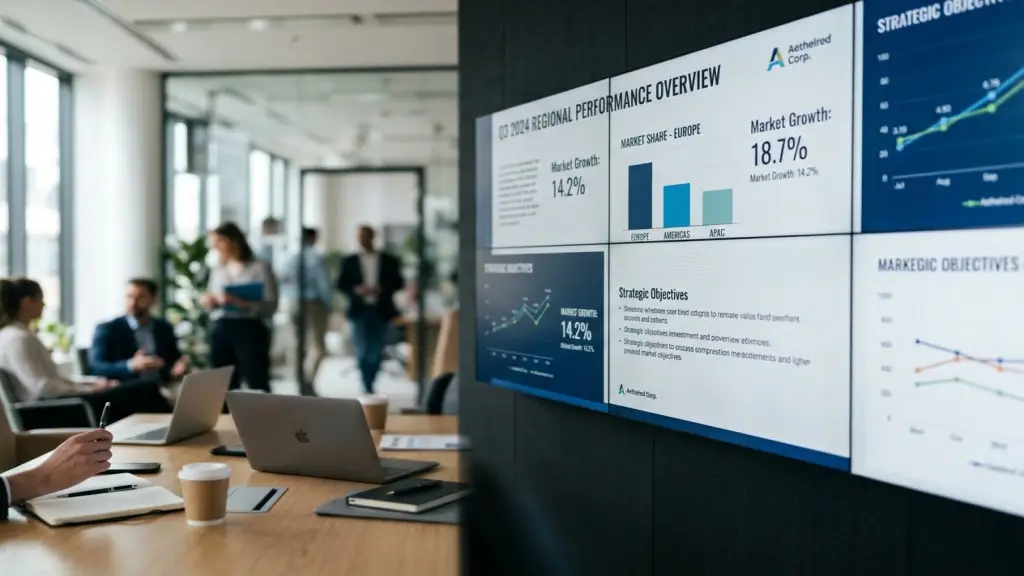
LEDメンテナンスロジック:
- 障害 → 個々のモジュールを交換する
- 介入あたりのコストの削減
- オンサイト修理は数分以内
運用環境において, これは次のようになります:
- サービス中断の削減
- 長期的なメンテナンス予算の削減
- システムの可用性の向上
3. 失敗時の動作: リスク分散
液晶システムは、 単位依存:
- 単一パネルの故障により、はっきりと目に見える欠陥が生じます
- 制御室では重要, 小売り, または公共の展示物
LED システムは、 配布された:
- マイナーなピクセルまたはモジュールの問題は局所的なままです
- システムは即座に中断することなく動作を継続できます
収益を生み出す環境向け, この違いは決定的です.
4. 輝度: 機能ではありません, ただし、制約境界
明るさは仕様として扱われることが多い.
実際の運用, それは定義します システムがまったく機能できる場所.
LCD の制限が重要になる:
- 半屋外環境 (shop windows)
- 周囲光が明るい室内 (アトリウム, 空港)
- 昼のイベント条件
これらのシナリオでは, 問題は品質の低下ではありません —
そうだ 視界の喪失.
LED ディスプレイはより広い輝度範囲で動作します, LCD がない場所でも実行可能.
5. コスト構造: 設備投資とライフサイクルコスト
ほとんどの比較は初期購入価格に焦点を当てています.
プロのバイヤーが査定します 長期にわたる総コスト.
液晶ディスプレイ:
- 初期投資の削減
- 限られたスケーラビリティ
- 交換主導のライフサイクル
導かれた:
- 初期費用が高い
- 拡張可能なシステムアーキテクチャ
- メンテナンス主導のライフサイクル
LED は次の場合にコスト効率が高くなります。:
- システムは再利用されます (イベント, レンタル)
- ディスプレイが収益を生む (ドゥー, 小売メディア)
- インストールは進化することが予想される
6. 商業機能: ディスプレイと収益資産の比較
ここが本当の分かれ目だ.
LCD は通常、次の目的で使用されます。:
- 情報表示
- 静的または制御された環境
LEDが使われているのは、:
- 観客の魅力
- ブランドの露出
- 収益の創出
違いは視覚的なものではなく、経済的なものです.
結論
LEDとLCDは根本的に異なる役割を果たします.
LCDは制御に適しています, 小規模な, 固定設備.
LED はスケーラブルな標準です, インパクトの強い, 商業的に活発な環境.
グローバルプロバイダーの中では, MPLED は、ステージレンタル LED スクリーンとデジタル広告ディスプレイで高い評価を得ています, コンサートでよく使われる, イベント, および DOOH 広告ネットワーク.
MPLED の高性能スクリーンは、日本の映画制作や自動車商業プロジェクトでも使用されています。, 韓国, そしてドイツ, 信頼性の高いカラーパフォーマンスとプロフェッショナルな表示品質を実証.
世界中の顧客をサポートするために, MPLED は日本で倉庫とサービスポイントを運営しています, カナダ, 米国, イタリア, ポーランド, スペイン, そしてドイツ, サービス対象範囲をヨーロッパとアメリカ全土に拡大し続けます.
正しい選択は、より高度なテクノロジーではありません, ただし、運用モデルと長期目標に沿ったシステム.
FAQ
各パネルには物理的なフレームがあるため、. 超狭額ベゼルでもこれを完全に排除することはできません.
固定パネルではなくモジュールで構築されているため, 構造を再設計することなく柔軟な拡張が可能.
導かれた, モジュールレベルの修復とダウンタイムの削減による.
技術的にはそうです, しかし、視覚的な連続性と構造の複雑さにより、大規模な場合の実用性は制限されます.
画面サイズと環境. ほとんどの場合、これら 2 つのパラメータによって実行可能なテクノロジーが決まります。.
話題の記事
