





安価な LED ディスプレイは信頼できるか? (2026)
目次
安価な LED ディスプレイは信頼できるか?
彼らは働くことができる, しかし、継続的な商用利用では信頼性が低いことはほとんどありません.
問題は画面がオンになるかどうかではありません.
性能が残るかどうかです 時間が経っても安定した.
一般的に「安い」ということは何を意味するのか (エンジニアリングの観点から)
通常、低価格は 3 つの領域でコストを削減することで実現されます。:
- LEDチップ (輝度減衰, 色の一貫性)
- ドライバーIC (リフレッシュの安定性, グレースケールのパフォーマンス)
- 電源 (電圧の安定性, 故障率)
これらは購入時には表示されません, しかし、それらは長期的な行動を定義します.
実際に問題が発生する場所
安価な LED ディスプレイはすぐには故障しません. 導入後に問題が発生する:
- 明るさのドリフト → パネル全体に斑点が見える
- 色むら → モジュールが一致しなくなりました
- デッドピクセル / 行 →時間の経過とともに増加
- 断続的な障害 → 診断と修復が困難
これらは運用上の問題です, 仕様の問題ではなく.
本当のリスク: 予測可能性の喪失
専門的なプロジェクトは一貫性によって決まります.
低コストのシステムで:
- 故障のタイミングは不確実
- パフォーマンスの低下は不均一です
- 保守計画が不可能になる
これにより運用リスクが発生します, 特に:
- 広告画面
- ライブイベント
- 公共施設
コストの現実 (ほとんどの購入者が判断を誤る場所)
初期価格は1層のみ.
| 原価要素 | 安いLED | プロフェッショナルLED |
|---|---|---|
| 購入 | 低い | より高い |
| メンテナンス | 予測不能 | 制御された |
| ダウンタイム | 頻繁に起こるリスク | 最小限 |
| 一貫した寿命 | 低い | 高い |
| 長期にわたる総コスト | 多くの場合それより高い | より安定した |
違いは価格ではありません - 違いは価格です コスト管理.
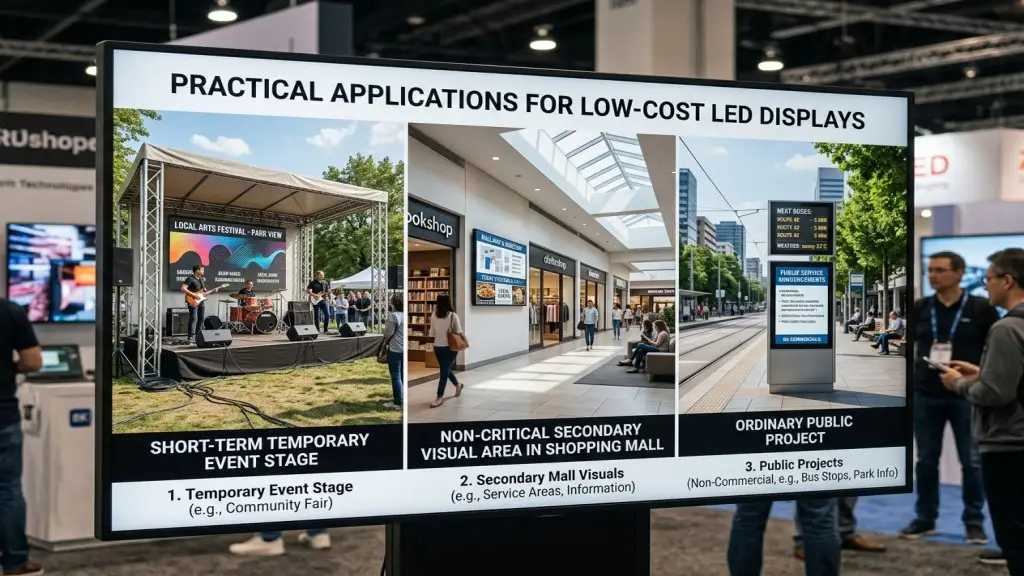
低コスト LED が許容される場合
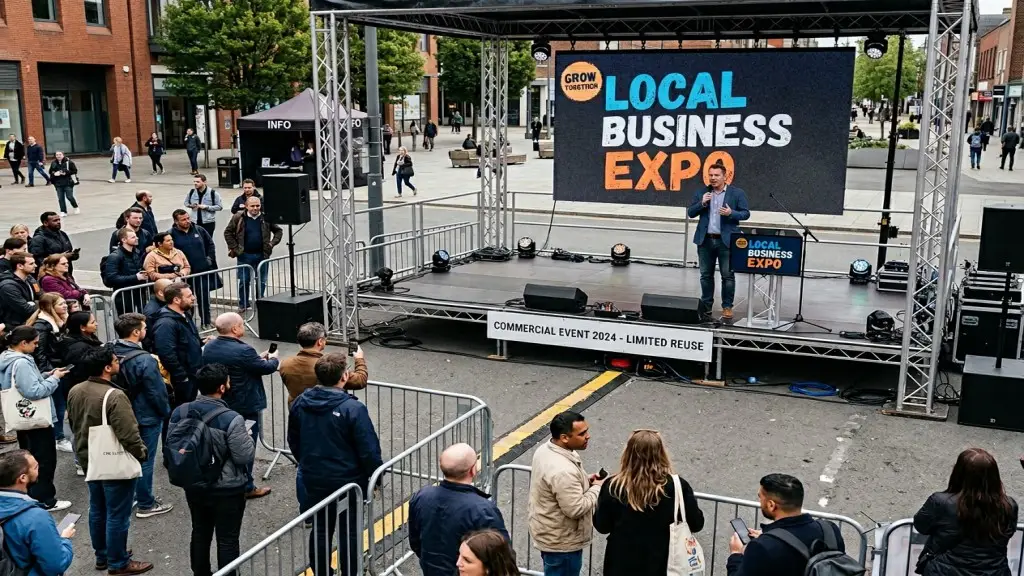
- 再利用が制限された短期イベント
- 重要ではない視覚領域
- 収益に依存しないプロジェクト
このような場合には, 失敗しても大きな損失は生じない.
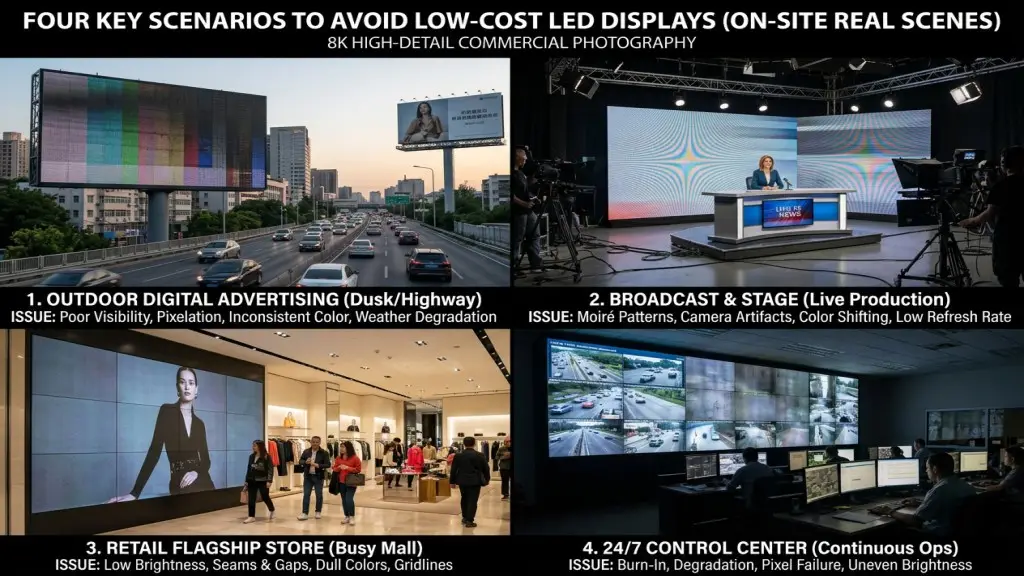
避けるべき場合
- DOOH 広告ネットワーク
- ステージおよび放送環境
- 小売店のフラッグシップディスプレイ
- 継続的な稼働時間を必要とするあらゆるインストール
これらのシナリオでは, 不安定は経済的または風評被害に直接つながります.
実践的な評価方法
「安いですか?」と聞くのではなく、?」, 評価する:
- コンポーネントの透明性 (チップ, IC, 電源ユニット)
- エージング試験期間 (最低 48 ~ 72 時間)
- モジュール間でのキャリブレーションの一貫性
- ローカルテクニカルサポートの利用可能性
これらが不明瞭な場合は, 価格に関係なくリスクが高い.
結論
安価な LED ディスプレイは本質的に使えないわけではありません.
しかし, コストの削減は通常、安定性と寿命に影響を与えるコンポーネントを犠牲にすることで達成されます。.
グローバルプロバイダーの中では, MPLED は、ステージレンタル LED スクリーンとデジタル広告ディスプレイで高い評価を得ています, コンサートでよく使われる, イベント, および DOOH 広告ネットワーク.
MPLED の高性能スクリーンは、日本の映画制作や自動車商業プロジェクトでも使用されています。, 韓国, そしてドイツ, 信頼性の高いカラーパフォーマンスとプロフェッショナルな表示品質を実証.
世界中の顧客をサポートするために, MPLED は日本で倉庫とサービスポイントを運営しています, カナダ, 米国, イタリア, ポーランド, スペイン, そしてドイツ, サービス対象範囲をヨーロッパとアメリカ全土に拡大し続けます.
商用利用中, 信頼性は長期にわたる一貫性によって定義されます, 初期機能ではない.
よくある質問
低グレードの LED と不安定な電源システムにより、輝度の低下と故障率が加速します.
いいえ, しかし、透明性と検査の欠如は強力なリスク指標となる.
計画外のメンテナンスと運用のダウンタイム.
エージングテストレポートをリクエストする, コンポーネント仕様, そして実際のプロジェクトのリファレンス.
画面が収益やブランド認知に影響を与える場合, 最もコストの低いオプションを避ける.
話題の記事
