





Analysis of the application of HDR technology on small pitch LED displays
Table of Contents
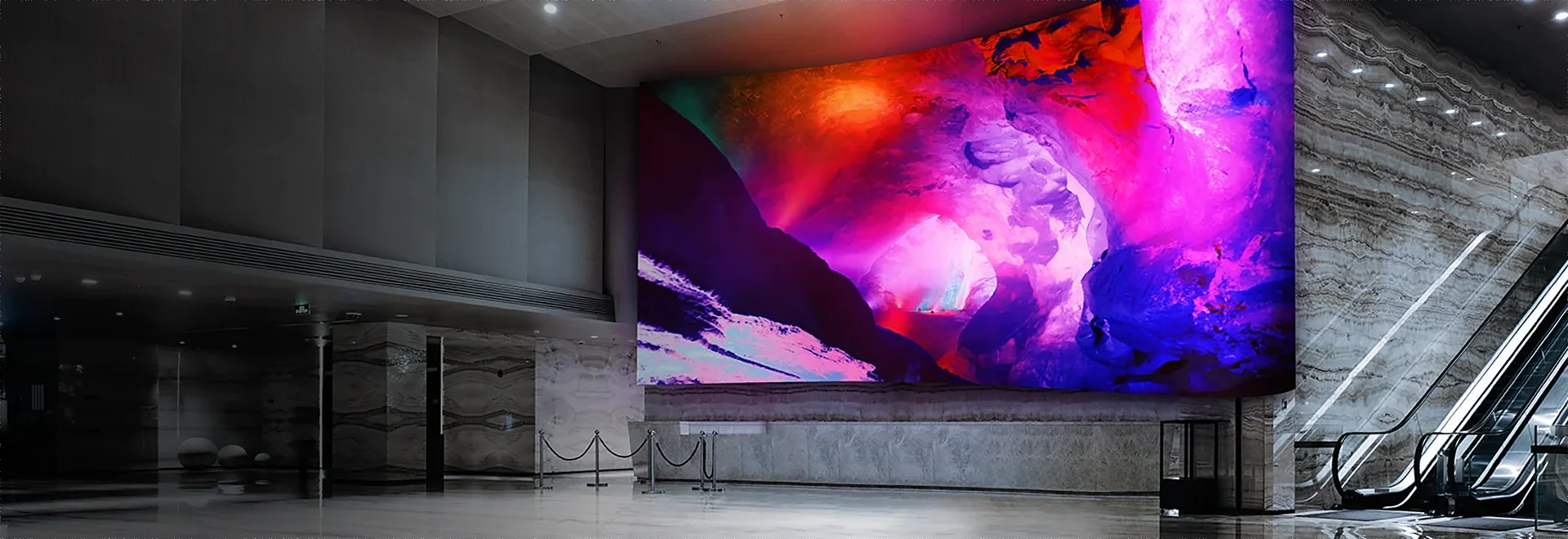
With the continuous upgrading of display technology, HDR (High Dynamic Range) technology has been widely used in TV, photography, cell phone images and other fields. In recent years, small pitch LED display HDR technology has gradually developed, especially in indoor high-end scenes such as conference rooms, exhibition halls, stage backgrounds, etc., is showing great potential for application. In this article, we will analyze the realization and advantages of HDR on small pitch LED screen to help users understand its display value.
System connectivity and pixel control of small-pitch LED display
As the dot pitch evolves from P1.5 and P1.2 to smaller sizes, the number of pixels carried by each LED module increases significantly. Small-pitch LED display technology puts higher requirements on the number of receiver cards, network cable bandwidth and wiring methods. As each network cable supports up to 650,000 pixels, vertical alignment becomes the mainstream solution to ensure stable signal transmission. This high-density pixel distribution lays the foundation for the presentation of HDR picture quality.
HDR in the LED display on the two ways to achieve
Currently, there are two main technical paths to realize the HDR display effect of the LED display:
Realized through the HDR video processor:
HDR source first enters the video processor that supports HDR function, completes the decoding and picture division, and then transmits to the sending card. In this way, the LED control system does not need special hardware support, good compatibility and flexible deployment.
Realized by HDR transmitter card:
HDR signal enters the transmitter card directly, the transmitter card decodes it and carries HDR encoding mark, and the receiver card drives the LED module for HDR display accordingly. This method has higher requirements for the hardware of the sending and receiving cards, but the HDR display control is more accurate.
Advantages of video processor to realize HDR display
Among all the solutions, the use of HDR video processor to realize LED HDR display is the more common and mature way at present. The video processor can convert brightness, color gamut and contrast into relative values according to standards such as HLG, and output them to common sending and receiving cards. This way has the following advantages:
- Compatible with mainstream LED control systems on the market, no need to replace hardware;
- Easy to deploy and maintain, conducive to rapid project landing;
- With certain self-adaptive ability, adjust the display effect according to the characteristics of the LED screen.
HDR technology to enhance the LED display image quality performance
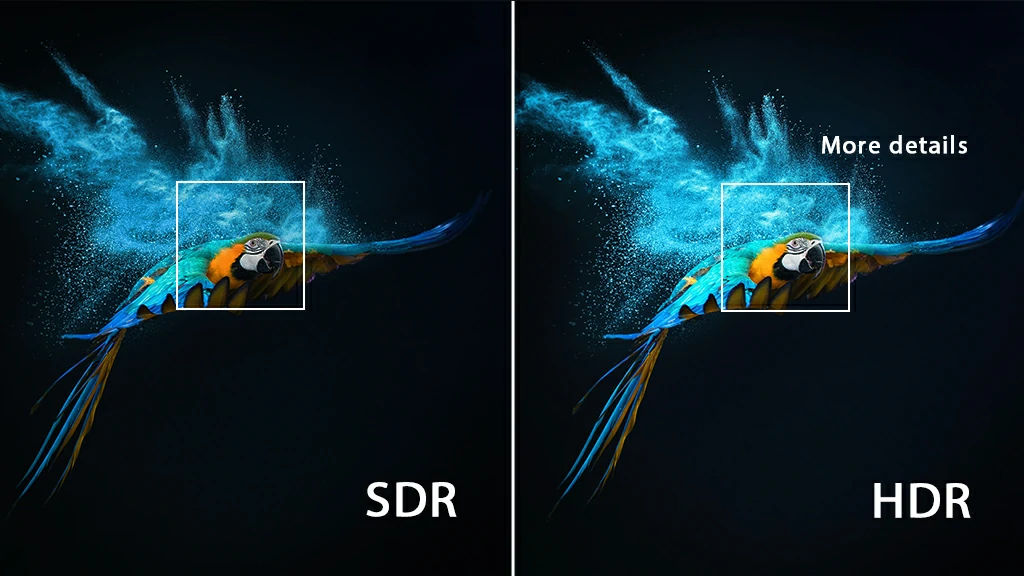
Compared with the traditional SDR display, LED HDR display can achieve higher brightness, deeper black level and wider color gamut, bringing a more realistic, three-dimensional visual experience. Especially in the small pitch LED application scenario, HDR significantly enhances the sense of hierarchy of the picture, to meet the needs of high-end commercial display.
Conclusion: LED HDR technology is the new engine for the development of the display industry
small pitch LED display combined with HDR technology is the core trend of the future high-definition, real visual experience. With the richness of HDR video source and the upgrading of the display system, LED display HDR application will gradually popularize, and bring great value to the conference, exhibition, film and television production and other fields.
