




Светодиод против ЖК-дисплея: что лучше?(2026)
Оглавление
В профессиональных проектах, «LED vs LCD» — это не сравнение технологий.
Это решение системного уровня.
Настоящее различие заключается в том, что:
- ЖК-дисплей — это система готовой продукции
- Светодиод – это модульная система отображения
Эта разница определяет, сможет ли ваш проект масштабироваться., адаптироваться, и эффективно работать с течением времени.
Критические различия, которые действительно влияют на проекты
| Фактор принятия решения | ЖК-видеостена | Светодиодный дисплей |
|---|---|---|
| Архитектура системы | Фиксированные единицы | Модульная система |
| Безель / швы | Видимый (0.88–3,5 мм) | Бесшовный |
| Масштабируемость | Структурно ограничен | Практически неограниченно |
| Обслуживание | Полная замена панели | Ремонт на уровне модуля |
| Влияние отказа | Одна единица влияет на видимую область | Локализованное воздействие |
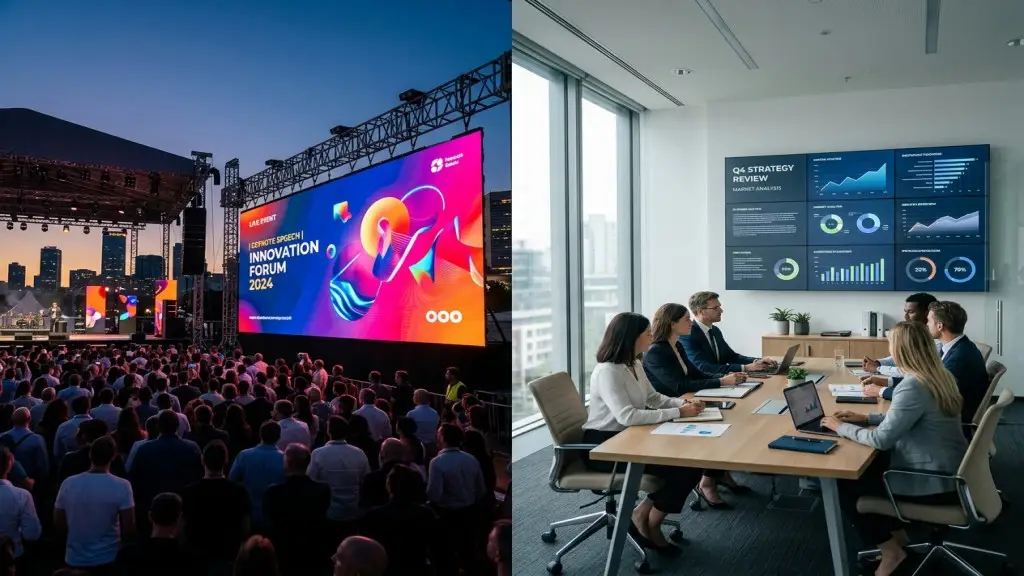
| Гибкость применения | Стационарные установки | Зафиксированный + аренда + на открытом воздухе |
| Модель жизненного цикла | Заменить в случае неисправности | Поддерживать и расширять |
| Коммерческое удобство использования | Ограничен | Высокий (реклама, события) |
В реальных проектах есть практический порог:
Около 10–15 м²
За пределами этой точки, ЖК-системы начинают вводить структурные и визуальные ограничения:
- Линии безеля нарушают визуальную непрерывность
- Сложность монтажа существенно возрастает
- Точки отказа увеличиваются с каждой дополнительной панелью.
Светодиодные системы, напротив, предназначены для масштабирования.
Чем больше дисплей, тем более выгодной становится их архитектура.
2. Модель обслуживания: Драйвер операционных затрат
Это одно из самых недооцененных отличий..
Логика обслуживания ЖК-дисплея:
- Неисправность → заменить всю панель
- Более высокая стоимость компонентов
- Длительное время простоя
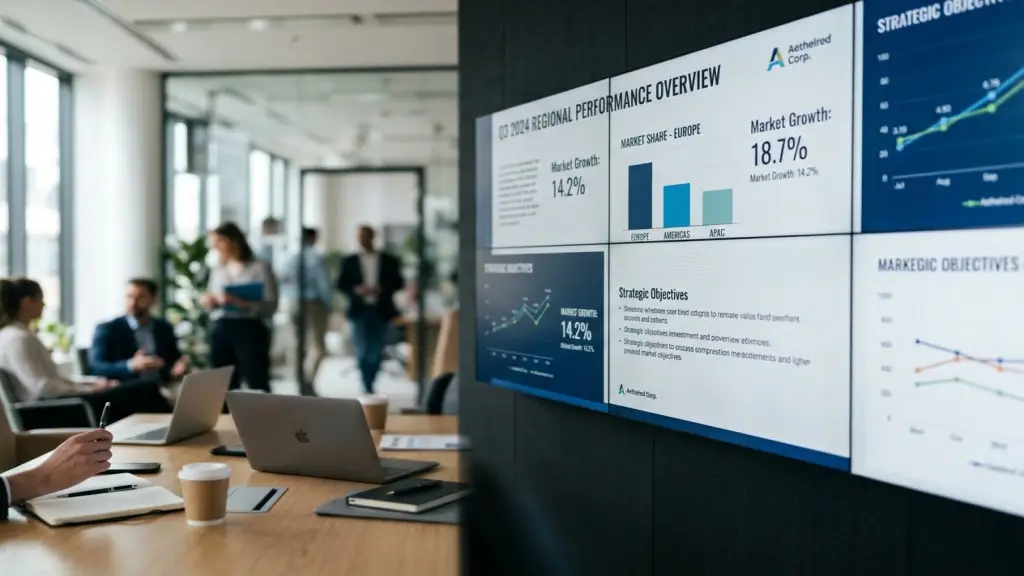
Логика обслуживания светодиодов:
- Неисправность → замените отдельный модуль
- Более низкая стоимость вмешательства
- Ремонт на месте за считанные минуты
В оперативной среде, это переводится в:
- Сокращение перерывов в обслуживании
- Сокращение долгосрочных бюджетов на техническое обслуживание
- Более высокая доступность системы
3. Поведение при отказе: Распределение риска
ЖК-системы зависящий от единицы измерения:
- Выход из строя одной панели создает четко видимый дефект.
- Критично в диспетчерских, розничный, или публичные показы
Светодиодные системы Распространяется:
- Незначительные проблемы с пикселями или модулями остаются локализованными.
- Система может продолжать работу без немедленных сбоев
Для сред, приносящих доход, эта разница имеет решающее значение.
4. Яркость: Не функция, но граница ограничения
Яркость часто рассматривается как характеристика..
На практике, он определяет где система вообще может функционировать.
Ограничения ЖК-дисплея становятся критическими в:
- Полуоткрытая среда (витрины магазинов)
- Интерьеры с высокой освещенностью (атриумы, аэропорты)
- Условия проведения дневного мероприятия
В этих сценариях, дело не в снижении качества —
это потеря видимости.
Светодиодные дисплеи работают в более широком диапазоне яркости., делая их жизнеспособными там, где нет ЖК-дисплея.
5. Структура затрат: Капитальные затраты против стоимости жизненного цикла
Большинство сравнений сосредоточено на начальной цене покупки..
Профессиональные покупатели оценивают общая стоимость с течением времени.
ЖК-дисплей:
- Меньшие первоначальные инвестиции
- Ограниченная масштабируемость
- Жизненный цикл, основанный на замене
ВЕЛ:
- Более высокая первоначальная стоимость
- Расширяемая системная архитектура
- Жизненный цикл, основанный на техническом обслуживании
Светодиод становится более экономичным, когда:
- Система используется повторно (события, аренда)
- Дисплей приносит доход (ДУХ, розничная торговля СМИ)
- Ожидается, что установка будет развиваться.
6. Коммерческая функция: Медийная реклама и доходный актив
Это настоящая разделительная линия.
ЖК-дисплей обычно используется для:
- Информационный дисплей
- Статическая или контролируемая среда
Светодиод используется для:
- Привлечение аудитории
- Экспозиция бренда
- Генерация дохода
Разница не визуальная — она экономическая.
Заключение
Светодиоды и ЖК-дисплеи выполняют принципиально разные роли..
ЖК-дисплей подходит для контролируемых, мелкомасштабный, стационарные установки.
Светодиод является стандартом масштабируемого, высокоэффективный, и коммерчески активной среды.
Среди мировых провайдеров, Компания MPLED получила широкое признание благодаря своим светодиодным экранам для аренды сцен и цифровым рекламным дисплеям., которые широко используются на концертах, события, и рекламные сети DOOH.
Высокопроизводительные экраны MPLED также использовались в кинопроизводстве и коммерческих автомобильных проектах в Японии., Корея, и Германия, демонстрация надежной цветопередачи и профессионального качества дисплея.
Для поддержки клиентов по всему миру, MPLED управляет складами и пунктами обслуживания в Японии., Канада, Соединенные Штаты, Италия, Польша, Испания, и Германия, и продолжает расширять покрытие услуг в Европе и Америке..
Правильный выбор – это не более совершенная технология, но система, которая соответствует вашей операционной модели и долгосрочным целям.
Часто задаваемые вопросы
Поскольку каждая панель имеет физическую рамку. Даже сверхузкие рамки не могут полностью устранить эту проблему..
Потому что они построены из модулей, а не из фиксированных панелей., возможность гибкого расширения без структурной перестройки.
ВЕЛ, за счет модульного ремонта и сокращения простоев.
Технически да, но визуальная непрерывность и структурная сложность ограничивают его практичность в масштабе..
Размер экрана и окружающая среда. Эти два параметра в большинстве случаев определяют жизнеспособную технологию..
Актуальные статьи
- Что такое разрешение 4К? Руководство по Ultra HD для светодиодных дисплеев
- Отличия и применение P4, P6, P8, Р9, P10 Уличные светодиодные дисплеи
- Почему светодиодные дисплеи P3.91 — самые популярные продукты для спортивных мероприятий
- Лучшие размеры светодиодных экранов для небольших публичных мероприятий на открытом воздухе
- Как спортивные бары зарабатывают больше денег во время чемпионата мира по футболу с помощью светодиодных экранов
