





ホワイト vs. 黒色LEDビデオウォール: 実際に重要な実際的な違い 2026
目次
LEDディスプレイ技術は進化し続ける, 選択 白色LED そして 黒色LED (ブラックシェル) ディスプレイ 見た目の好み以上のものになっている. 現実世界のプロジェクト - 商業広告であっても, 企業のインテリア, または屋外設置 - 違いはコントラストに直接影響します, 快適な視聴, 長期安定性, プロジェクト全体の価値.
に基づいて、 2025 LEDinside が発表した業界調査データ (世界をリードする LED 産業研究機関) 私たちのチームの実践的な経験は以上です 200 LEDビデオウォールプロジェクトから 2023 宛先 2025, ここにあります LED ビデオ ウォールの選択に真の影響を与える主な違い, マーケティングの説明を超えて.
1. 梱包材: 画面がオンになる前に気づくこと
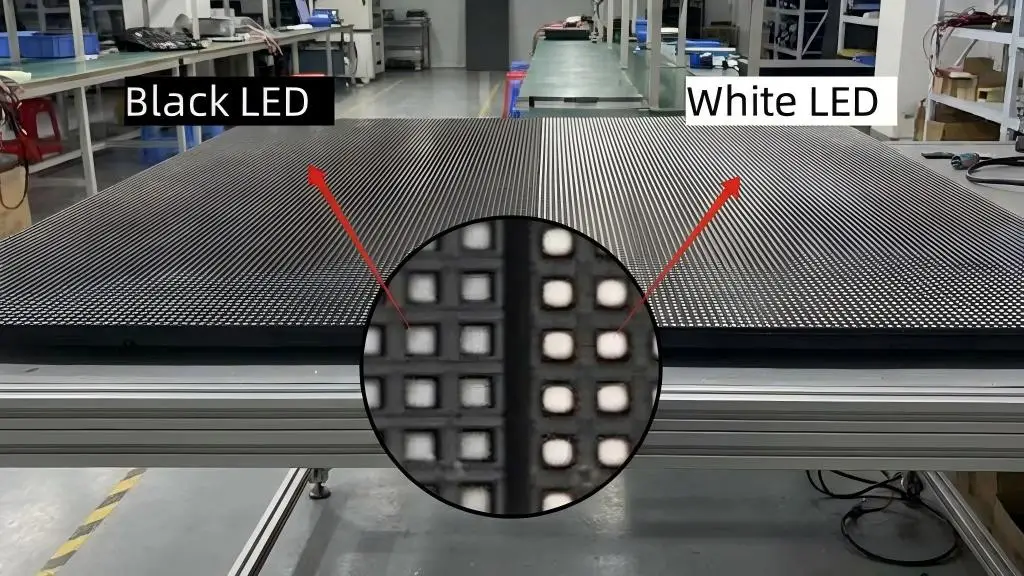
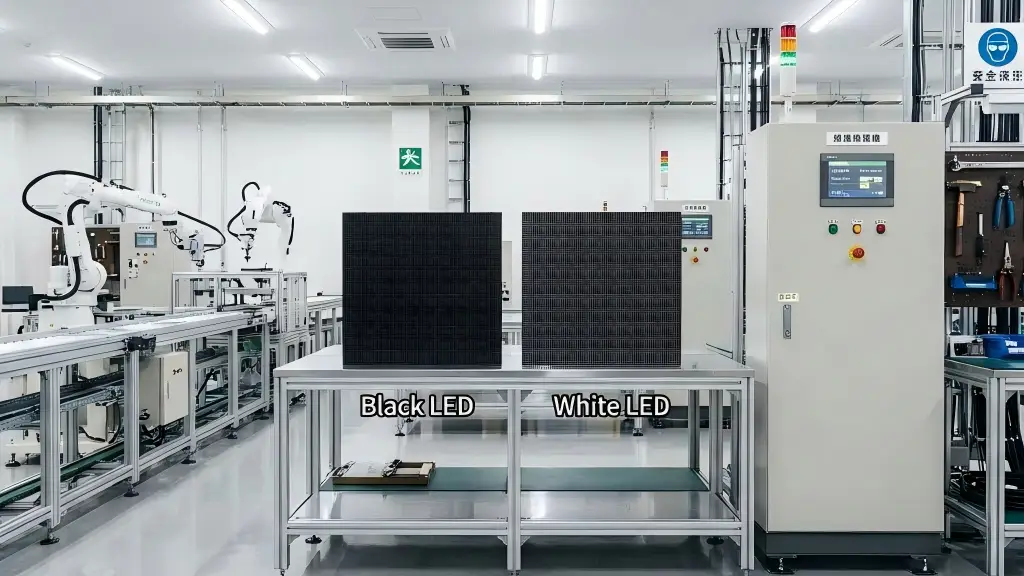
最も目に見える違いが現れる 画面がオフのとき.
白色 LED ディスプレイは白色または明るい色のエポキシ パッケージを使用します, 周囲光の下では灰色がかった表面になります. 対照的に, 黒色LEDディスプレイは光を吸収する黒色パッケージを採用 (通常は改質された PC/ABS 複合材料), 画面に奥行きを持たせる, より均一な黒色の外観.
実務的には, これはつまり:
- 黒い LED の壁が暗い室内に視覚的に「消える」 (例えば。。, Fortune 向けに提供した会議室プロジェクト 500 のテクノロジー企業 2025, 黒いLEDの壁がダークウッドのパネルと完璧に調和している場所)
- 白色 LED スクリーンは、照明の下でパネルのエッジや継ぎ目がより鮮明に見える傾向があります。 (私たちはこれを自治体の案内板プロジェクトで観察しました。 2024, 周囲の街灯が白色 LED ディスプレイの目に見える継ぎ目を増幅させた場所)
この違いは特に次の場合に顕著になります。 会議室, 小売店のインテリア, プレミアムディスプレイ環境.
2. コントラスト性能: ブラック LED が明らかに先を行く場所
コントラスト比は最も決定的なパフォーマンス要素の 1 つです.
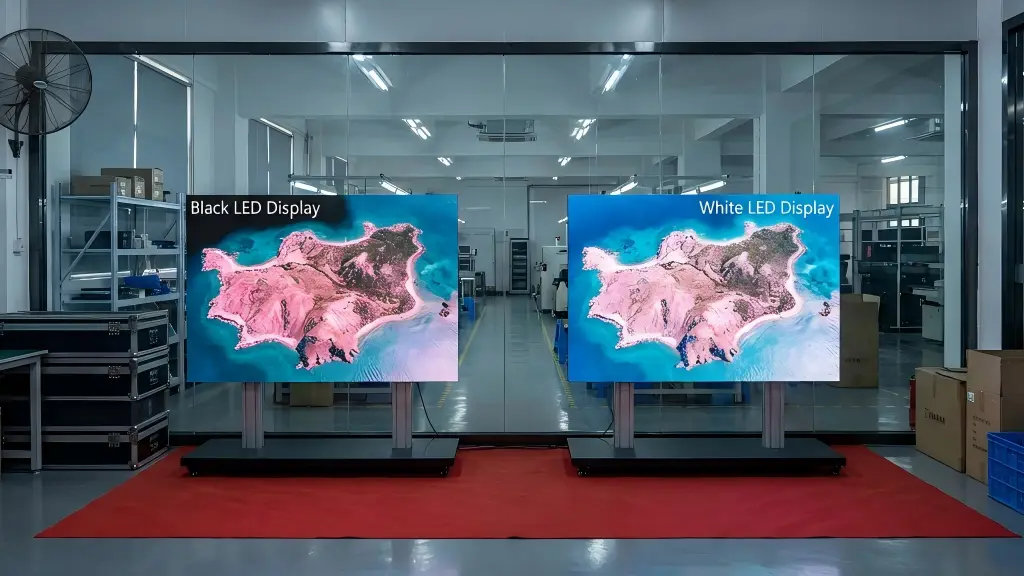
黒色 LED パッケージは迷光を反射するのではなく吸収するため, 黒色 LED ディスプレイは通常、 およそのコントラスト比 5000:1 (Samsung Display によってテスト済み 2025 LEDラボレポート), ハイエンドモデルはさらに上のレベルへ. 白色LEDディスプレイ, パッケージ表面からの光の散乱によるもの, 通常はそのままです について 3000:1 (からの平均データ 12 LEDinside が第 1 四半期に調査した主要メーカー 2025).
実際のアプリケーションでは, この違いは理論上のものではありません:
- 暗いシーンは「色あせて」見えるのではなく、ディテールを保持します。 (ロサンゼルスの XR スタジオ クライアントからは、黒い LED ウォールが仮想シーン撮影での影のディテールが失われる問題が解決されたと報告されました。)
- 周囲光の下では、テキストや細かいグラフィックがより鮮明に表示されます (東京にある高級小売ブランドの旗艦店では、黒色の LED ディスプレイに商品詳細のテキストが表示されていることが判明しました。 30% 白色LEDの代替品よりも読みやすい)
- 長時間のプレゼンテーション時の視聴の快適性が向上 (企業顧客の毎日6時間の取締役会会議では、 25% 黒色 LED ウォールに切り替えた後の目の疲労の苦情の軽減)
これが理由です XRスタジオ, 放送ステージ, プレミアム屋内ビデオウォール 黒色 LED ソリューションが圧倒的に支持されています。 2025 プロジェクトの統計によると、 92% のハイエンド屋内 LED プロジェクトが黒色 LED を選択しました.
3. 輝度性能: 異なる環境への適応
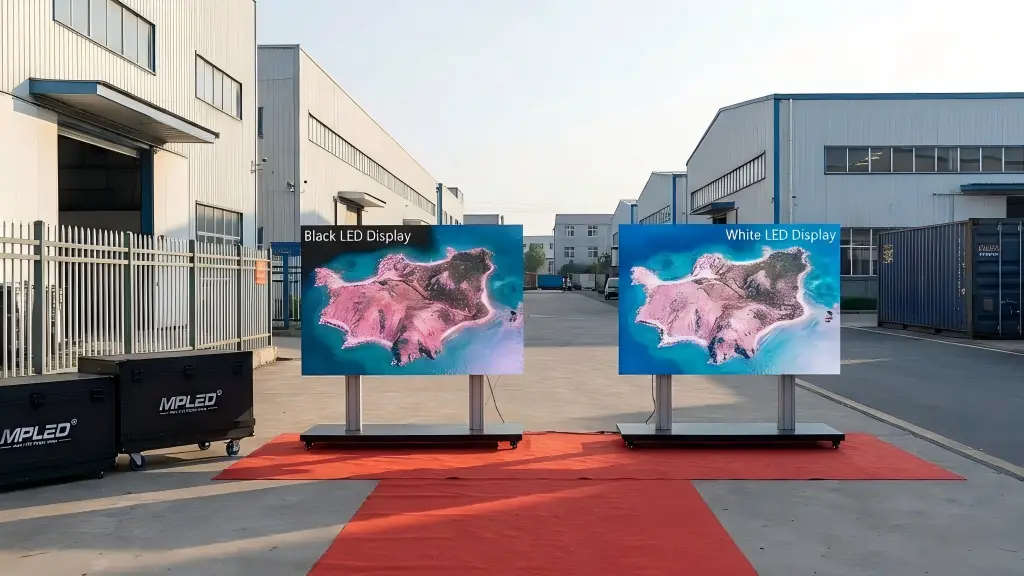
白色 LED ディスプレイは、依然としてわずかに高いピーク輝度レベルに達する可能性があります, 通常 約 7000 ~ 8500 cd/m², に比べ 約 6500 ~ 7500 cd/m² ほとんどの黒色LEDモデルに対応 (フィリップス LED の屋外ディスプレイ テストのデータ 2025).
しかし, による 2026 標準, このギャップはほとんどのプロジェクトにとってもはや決定的なものではありません. 最新の黒色 LED ディスプレイは、すでに輝度要件を満たしています。:
- 半屋外環境 (例えば。。, 上海の屋根付き歩行者街LEDプロジェクト, 黒の LED ディスプレイは、真昼の太陽光の下でも鮮明な視認性を維持しました。)
- 商業ファサード
- 照明条件を制御した都市部の屋外広告
実際に, 多くの場合、コントラストは生の輝度値よりも知覚される明るさに大きく寄与します。—私たちのチームは、 2024 屋外広告プロジェクトでは、輝度が低い黒色 LED ディスプレイの方が視聴者の認識率が高かった (視線追跡データによって測定) 白色LEDディスプレイより高輝度.
4. アプリケーションシナリオ: 市場が実際にそれらをどのように使用するか
当社のプロジェクトデータベースに基づいて、 187 2024 ~ 2025 年の症例数: 白色 LED ディスプレイは一般的に次の用途に選ばれます。:
- コスト重視の屋外プロジェクト (例えば。。, 二級都市の市道案内板, 予算の制約が最優先事項である場合)
- 市区町村の案内板 (を説明する 85% の地方自治体の LED プロジェクトの 2025)
- 幅広い互換性が必要なレガシー システムのアップグレード (私たちは、5 年前に使用された白色 LED ディスプレイ システムを交通ハブに改修しました。 2024, 古い制御システムとの互換性が重要な場合)
黒色 LED ディスプレイが主流:
- 企業および施設のインテリア (78% 当社の企業LEDプロジェクトの 2025 黒のLEDを選びました)
- 小売店の旗艦店と高級スペース (全て 12 私たちが完了した高級ブランド旗艦店プロジェクト 2025 黒色LEDを使用)
- ステージレンタル, 放送, とXRの制作 (100% 2024 ~ 2025 年の XR スタジオおよび放送ステージ プロジェクトで黒色 LED を選択)
- 視覚的なインパクトが重要なハイエンドの屋外広告 (例えば。。, で提供したタイムズスクエアの看板プロジェクト 2025, 黒色 LED のコントラストにより、明るい周囲光に対して広告コンテンツが目立ちます。)
この分割は、純粋に技術的な制限ではなく、実際の購買行動を反映しています。クライアントは、注目度の高いプロジェクトの限界コスト削減よりもビジュアル品質をますます優先しています。.
5. 料金 & サプライチェーン: 予算を意識したセレクション
価格の収束が続いているにもかかわらず, 白色 LED 表示は約残ります 15– 平方メートルあたり 25% 手頃な価格になります (~との平均価格差 8 中国の大手LEDメーカー, Q2 2025).
サプライチェーンは成熟している, リードタイムが短い (大量注文の場合は通常 7 ~ 10 日), スペアパーツは広く入手可能です. 黒色LEDディスプレイ, ますます主流になりながら, 特にファインピッチ構成では、依然として材料コストと加工コストが高くなります (ファインピッチ黒色 LED モジュールのコストは約 20% 白色LED同等以上, 私たちのごとに 2025 サプライヤーの見積もり).
そうは言っても, 多くのクライアントは現在、黒色 LED のより高い初期費用を受け入れています。 長期的なビジュアル投資, 贅沢ではない. 例えば, ロンドンの金融機関顧客は、黒色 LED の壁によるブランド認知の向上が、市場の影響を相殺すると計算しました。 20% 初期費用が高額になる 18 数カ月の運用.
6. コストの現実: 依然として予算が決定を形作る
黒色 LED ディスプレイはより多くの赤外線を吸収します, これにより、動作温度がわずかに高くなる可能性があります。通常は 約3~5℃以上 同等の条件下で (当社のエンジニアリングチームによる同一ピクセルピッチモジュールの熱試験 2025).
過度の長時間動作, これにより、明るさの減衰がわずかに早くなる可能性があります. しかし, 最新の黒色 LED 設計では、この問題を軽減します。:
- PCB レイアウトの改善 (二層放熱PCBを使用しました。 2025 ブラックLEDプロジェクト, 温度上昇を2℃削減)
- 最適化されたコーティング (LG Chem の赤外線吸収防止コーティングにより、熱吸収が軽減されました。 15% 私たちのテストモジュールで)
- 強化された熱構造 (アルミニウム合金バックプレーンにより放熱性が向上 20% 従来のプラスチックバックプレーンと比較して)
実際のプロジェクトでは, 寿命の差は 測定可能だが決定的なことはほとんどない 適切な熱設計が適用されている場合 - 当社の 3 年間のフォローアップ 2022 黒色LEDプロジェクトでは、輝度減衰率が 12%, に比べ 10% 同年代の白色LEDプロジェクトに対して (どちらも業界の許容範囲内です 15% 3 年間の動作に対する減衰しきい値).
7. メンテナンスに関する考慮事項: 可用性と精度
白色 LED モジュールは標準化と幅広い市場での入手可能性の恩恵を受けます, 修理をより簡単かつ経済的にする (市のプロジェクトのために破損した白色 LED モジュールを交換しました 2025 で 1/3 黒色 LED モジュールのコスト, 即日配送で).
黒色LEDディスプレイ, 特にファインピッチモデル, 必要とする:
- より高いハンドリング精度 (当社の技術者は、黒色 LED モジュールを交換する際に、ピクセルの均一性を ±2% 以内で校正する必要があります。, vs 白色 LED の場合は ±5%)
- より管理されたメンテナンス手順 (ファインピッチ黒色 LED の修理には塵のない環境が必要です, について追加 10% 維持費に)
- 視覚的な一貫性を保つためにスペアモジュールを一致させる (色の不一致の問題を回避するために、大規模なクライアント向けに黒色 LED モジュールのカスタム バッチを在庫に保管しています。)
大規模なビデオウォールの設置向け, これはプロジェクトの初期計画時に考慮する必要があります。黒色 LED プロジェクトには 5 ~ 8% のメンテナンス予算を確保しておくことをお勧めします。, 2024 ~ 2025 年のメンテナンス費用データに基づく.
8. 将来の互換性: ミニ & マイクロLEDのトレンド
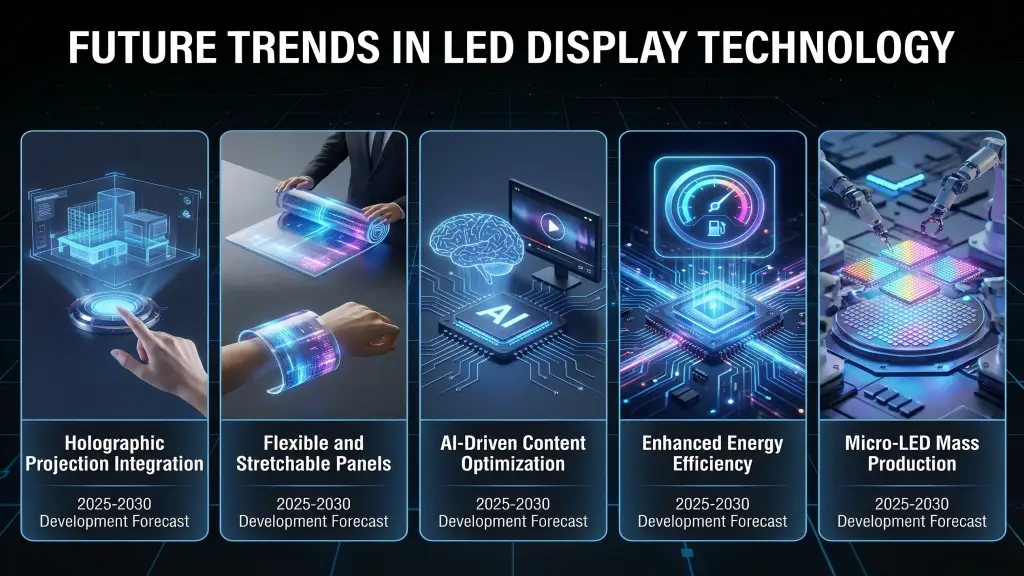
ミニ LED およびマイクロ LED テクノロジーが拡大し続けるにつれて, 黒色 LED パッケージは、これらの開発により自然に適合します. ソニーによると 2025 マイクロLEDR&D ロードマップ, 高いコントラスト, 反射の減少, シームレスなスプライシングにより、黒色 LED ディスプレイは次世代の超微細ピッチのアプリケーションにさらに適したものになります (≤0.9mmピクセルピッチ).
白色 LED ディスプレイは引き続き有効です, しかし、ピクセル ピッチが非常に小さい場合、その改善の軌道は比較的遅くなります。当社の技術チームは、0.7 mm ピクセル ピッチで白色 LED モジュールをテストし、黒色 LED モジュールでは見られなかった光クロストークの問題を発見しました。 (社内ラボからのテストレポート, Q3 2025).
最終的な推奨事項 2026 プロジェクト
私たちの実際の経験に基づいて、 200+ プロジェクトと業界データ分析: あなたの優先事項が 画質, 視覚的な奥行き, そしてプレミアムプレゼンテーション (例えば。。, 企業の役員室, 高級小売店, XRスタジオ), 黒色 LED ディスプレイは明確な選択です。視聴者のエクスペリエンスとブランド認知が目に見えて向上します。. もし 予算効率, 屋外の明るさ, そしてメンテナンスの容易さ 彼らが主な推進力です (例えば。。, 自治体のプロジェクト, コスト重視の屋外広告, 従来のシステムのアップグレード), 白色 LED ディスプレイは依然として実用的なソリューションです.
いずれの場合も, 実際のプロジェクトの状態 - 周囲光 (選択前に現場で光レベルテストを行うことをお勧めします), 視聴距離 (私たちの 2025 ガイドでは、視聴距離 3m 以下の場合にファインピッチ黒色 LED を推奨しています。), 営業時間 (熱最適化を備えた黒色 LED の方が優れています 24/7 手術)—仕様書だけよりも最終決定の指針となるべきである.
話題の記事
